NEW

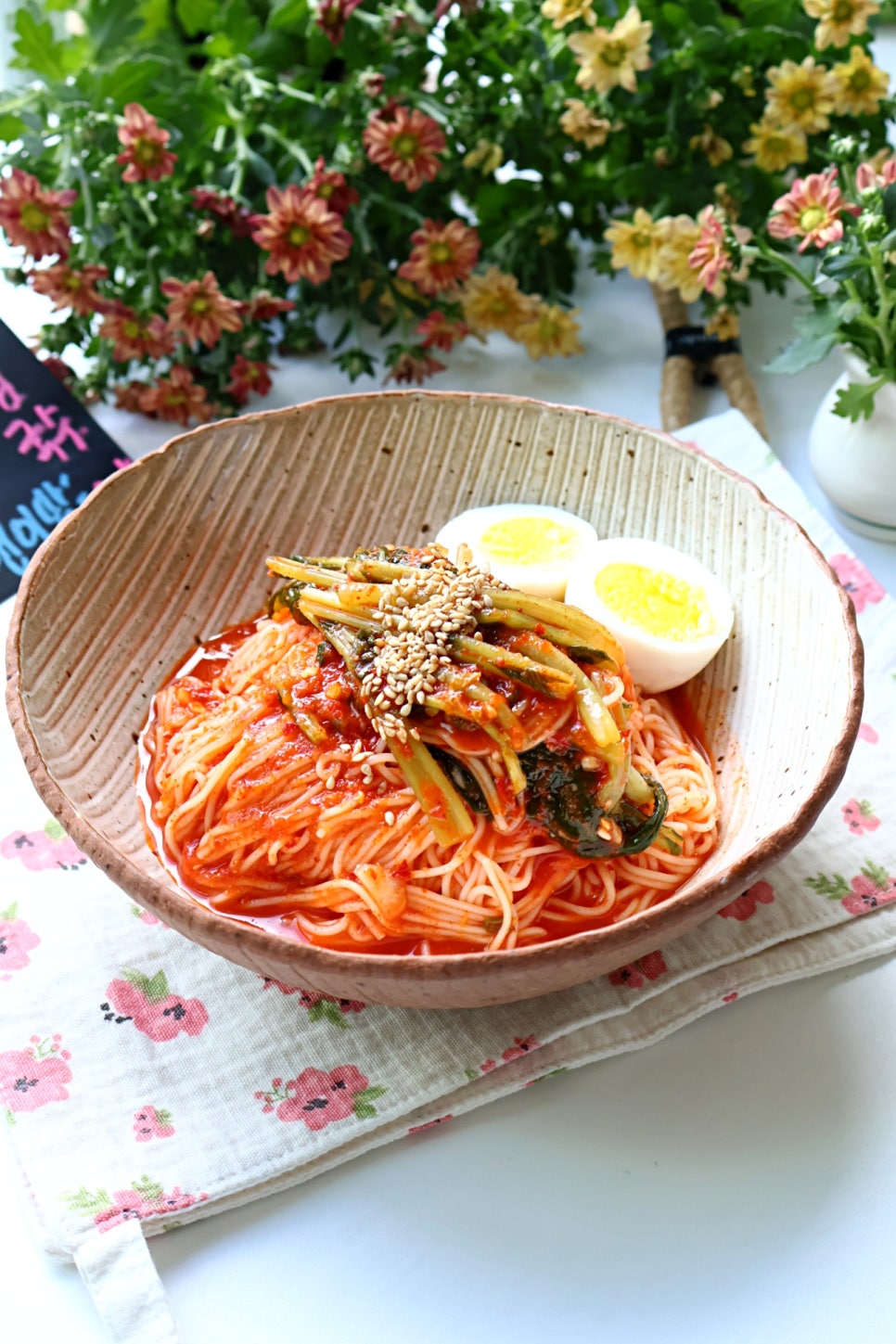
  • Yeolmu Bibim Guksu Recipe (Spicy Korean Noodles with Young Radish Kimchi)

    Yeolmu Bibim Guksu Recipe (Spicy Korean Noodles with Young Radish Kimchi)

    Yeolmu Bibim Guksu is a refreshing Korean spicy cold noodle dish made with thin wheat noodles, spicy gochujang sauce, cucumber, boiled eggs, sesame oil, and cool young radish kimchi.

    It is spicy, sweet, tangy, refreshing, and perfect for summer. The chewy noodles are mixed with a bold red sauce, then topped with crisp cucumber, boiled egg, and chilled Yeolmu Kimchi.

    If you already have Yeolmu Kimchi in the refrigerator, this is one of the easiest and most satisfying Korean noodle dishes you can make.


    What is Yeolmu Bibim Guksu?

    Yeolmu Bibim Guksu is a Korean spicy mixed noodle dish topped with young radish kimchi.

    The word “yeolmu” refers to young summer radish greens, “bibim” means mixed, and “guksu” means noodles.

    Unlike hot noodle soups, Bibim Guksu is served cold or at room temperature. The noodles are rinsed in cold water, mixed with spicy sauce, and topped with refreshing ingredients.

    Yeolmu Kimchi makes this dish especially good because it adds a cool, crunchy, tangy flavor that balances the spicy sauce.


    Recipe Information

    Prep Time: 15 minutes

    Cook Time: 10 minutes

    Total Time: 30 minutes

    Servings: 2

    Difficulty: Easy

    Cuisine: Korean

    Main Ingredient: Somyeon noodles and Yeolmu Kimchi

    Best Served As: Cold Korean noodle dish


    Ingredients

    Main Ingredients

    200g somyeon noodles

    1/2 cucumber

    2 boiled eggs

    1.5 paper cups Yeolmu Kimchi

    Sesame seeds, to taste

    1 tbsp sesame oil

    Sauce Ingredients

    4 tbsp gochujang

    1 tbsp sugar

    2 tbsp gochugaru

    3 tbsp vinegar

    2 tbsp Korean plum extract

    2 tbsp oligosaccharide syrup or corn syrup

    1 tbsp minced garlic

    3 tbsp kimchi juice


    Ingredient Notes

    Somyeon Noodles

    Somyeon are thin Korean wheat noodles.

    They cook quickly and are commonly used for cold noodle dishes such as Bibim Guksu and Janchi Guksu.

    After boiling, rinse them thoroughly in cold water to remove excess starch and create a chewy texture.


    Yeolmu Kimchi

    Yeolmu Kimchi is young radish green kimchi.

    It is crisp, refreshing, slightly tangy, and perfect for cold noodle dishes.

    For the best flavor, use chilled Yeolmu Kimchi with a little kimchi juice.


    Cucumber

    Cucumber adds fresh crunch.

    Slice it thinly into strips so it blends well with the noodles.


    Boiled Eggs

    Boiled eggs make the dish more filling.

    They also balance the spicy sauce with a mild and creamy texture.


    Gochujang

    Gochujang creates the main spicy and savory base of the sauce.

    It gives Bibim Guksu its deep red color and bold Korean flavor.


    Gochugaru

    Gochugaru adds extra heat and a clean chili flavor.

    It also makes the sauce brighter and more visually appealing.


    Vinegar

    Vinegar gives the sauce its refreshing tangy flavor.

    This is important because Bibim Guksu should taste spicy, sweet, and sour.


    Korean Plum Extract

    Korean plum extract adds sweetness and mild acidity.

    It helps create a more balanced sauce.

    If you do not have it, you can use a little more syrup or sugar.


    Kimchi Juice

    Kimchi juice adds fermented depth, acidity, and saltiness.

    It makes the sauce taste more refreshing and helps connect the noodles with the Yeolmu Kimchi topping.


    How to Make Yeolmu Bibim Guksu

    Step 1: Prepare the Boiled Eggs

    Place the eggs in a pot and cover them with water.

    Bring to a boil.

    Once the water starts boiling, cook for about 10 minutes.

    Transfer the eggs to cold water, peel them, and cut them in half.


    Step 2: Prepare the Toppings

    Thinly slice the cucumber.

    Cut the Yeolmu Kimchi into bite-sized pieces if needed.

    Set the cucumber, kimchi, and boiled eggs aside.


    Step 3: Make the Spicy Sauce

    In a mixing bowl, combine:

    • 4 tbsp gochujang
    • 1 tbsp sugar
    • 2 tbsp gochugaru
    • 3 tbsp vinegar
    • 2 tbsp Korean plum extract
    • 2 tbsp oligosaccharide syrup
    • 1 tbsp minced garlic
    • 3 tbsp kimchi juice

    Mix well until the sauce becomes smooth.

    Taste and adjust if needed.

    If you prefer a sweeter sauce, add a little more syrup.

    If you prefer a tangier sauce, add a little more vinegar.


    Step 4: Boil the Noodles

    Bring a pot of water to a boil.

    Add the somyeon noodles.

    Cook according to the package instructions.

    When the water boils up strongly, add about 1/3 paper cup of cold water.

    Repeat this process 2 to 3 times while boiling.

    This helps the noodles cook evenly and gives them a chewy texture.


    Step 5: Rinse the Noodles

    Drain the cooked noodles.

    Rinse them thoroughly under cold running water.

    Rub the noodles gently with your hands to remove excess starch.

    Drain well.

    This step is very important for a clean and chewy noodle texture.


    Step 6: Mix the Noodles with Sauce

    Place the drained noodles in a large bowl.

    Add the spicy sauce gradually.

    Do not add all the sauce at once.

    Mix and taste as you go so the noodles do not become too salty or too strong.

    Add 1 tablespoon of sesame oil and mix again.


    Step 7: Plate the Noodles

    Transfer the seasoned noodles to a serving plate or bowl.

    Twirl the noodles neatly if desired.


    Step 8: Add the Toppings

    Top the noodles with Yeolmu Kimchi, sliced cucumber, and boiled eggs.

    Sprinkle sesame seeds over the top.


    Step 9: Serve

    Serve immediately.

    Mix everything together before eating.

    For the best summer flavor, serve with chilled Yeolmu Kimchi.


    Pro Tips

    Rinse the Noodles Very Well

    Cold rinsing removes starch and makes the noodles chewy.

    If the noodles are not rinsed well, they can become sticky and heavy.


    Add the Sauce Gradually

    Bibim Guksu sauce can be strong.

    Add it little by little and taste as you mix.

    This prevents the noodles from becoming too salty, too sweet, or too spicy.


    Use Chilled Yeolmu Kimchi

    Cold Yeolmu Kimchi makes the dish more refreshing.

    This is especially important in summer.


    Add Kimchi Juice to the Sauce

    Kimchi juice adds acidity and fermented flavor.

    It makes the sauce taste deeper and more refreshing.


    Balance Sweet, Sour, and Spicy

    Good Bibim Guksu should not taste only spicy.

    It should be spicy, sweet, sour, savory, and refreshing at the same time.

    Adjust sugar, syrup, vinegar, and kimchi juice to your taste.


    Optional Add-Ins

    You can make Yeolmu Bibim Guksu even better by adding:

    • Shredded lettuce
    • Roasted seaweed flakes
    • Sliced chili pepper
    • Perilla leaves
    • Boiled chicken breast
    • Tuna
    • Extra cucumber
    • Crushed sesame seeds
    • Soft-boiled egg

    These additions make the dish more filling and flavorful.


    What to Serve with Yeolmu Bibim Guksu

    Yeolmu Bibim Guksu pairs well with:

    • Mandu
    • Gimbap
    • Tteokbokki
    • Eomuk Bokkeum
    • Buchujeon
    • Gamja Chaejeon
    • Korean fried chicken
    • Grilled pork belly
    • Bulgogi
    • Korean pickled onions

    It is also delicious on its own as a light summer meal.


    Storage Tips

    Yeolmu Bibim Guksu tastes best immediately after mixing.

    The noodles can absorb the sauce and become soft if stored for too long.

    If you want to prepare ahead, store the sauce, noodles, and toppings separately.

    Keep the sauce in an airtight container in the refrigerator for up to 3 days.

    Cook and rinse the noodles right before serving for the best texture.

    Freezing is not recommended.


    Frequently Asked Questions

    Can I make Yeolmu Bibim Guksu without Yeolmu Kimchi?

    Yes.

    You can make regular Bibim Guksu without Yeolmu Kimchi, but the flavor will be less refreshing.

    You can use regular kimchi instead, but Yeolmu Kimchi gives the best summer-style flavor.


    Can I use regular noodles instead of somyeon?

    Yes.

    You can use thin wheat noodles, soba noodles, or even thin spaghetti in a pinch.

    However, somyeon gives the most traditional Korean texture.


    Is Yeolmu Bibim Guksu spicy?

    Yes, it is moderately spicy.

    You can reduce the gochugaru or gochujang if you prefer a milder version.


    Can I make the sauce ahead of time?

    Yes.

    The sauce can be made ahead and stored in the refrigerator for up to 3 days.

    Mix well before using.


    Why are my noodles sticky?

    The noodles may not have been rinsed well enough.

    After boiling, rinse them thoroughly under cold water and gently rub them to remove starch.


    Can I add more vinegar?

    Yes.

    If you like a more refreshing and tangy flavor, add a little more vinegar.


    Can I make it sweeter?

    Yes.

    Add more oligosaccharide syrup, plum extract, or sugar.

    Adjust gradually so the sauce stays balanced.


    Final Thoughts

    Yeolmu Bibim Guksu is a refreshing Korean spicy noodle dish that is perfect for summer.

    With somyeon noodles, spicy gochujang sauce, cucumber, boiled eggs, sesame oil, sesame seeds, and cool Yeolmu Kimchi, you can make a bright, spicy, tangy, and satisfying noodle meal in about 30 minutes.

    The key is to rinse the noodles well, mix the sauce gradually, and top the noodles with plenty of chilled Yeolmu Kimchi.

    If you want a refreshing Korean noodle recipe for hot weather, this Yeolmu Bibim Guksu recipe is a perfect choice.
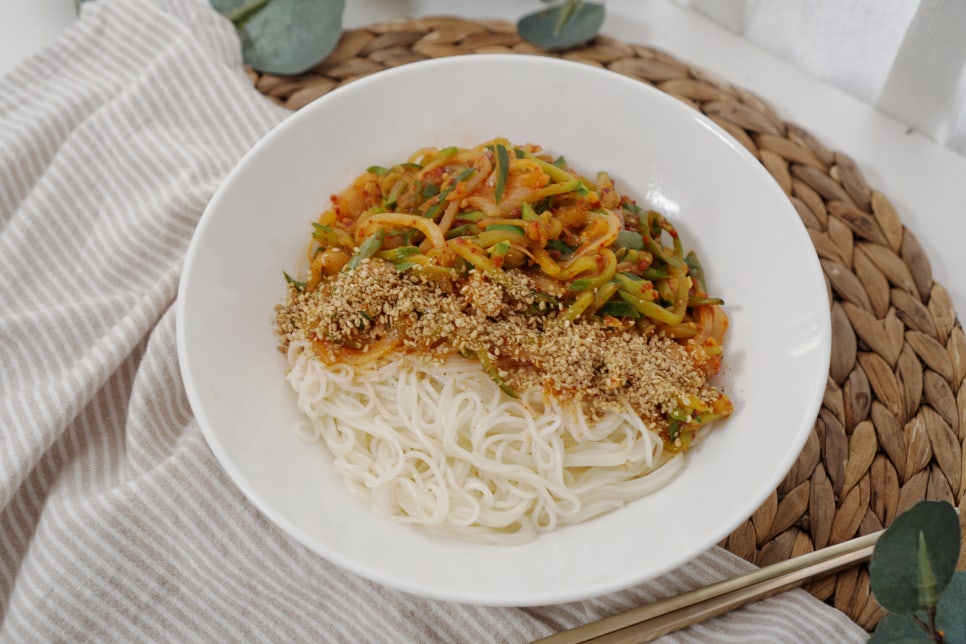
  • Aehobak Guksu Recipe (Korean Zucchini Noodles)

    Aehobak Guksu Recipe (Korean Zucchini Noodles)

    Aehobak Guksu is a simple Korean noodle dish made with thin wheat noodles topped with plenty of stir-fried Korean zucchini.

    It is light, savory, nutty, and very easy to make. The zucchini is stir-fried with perilla oil, green onion, garlic, gochugaru, sesame oil, and sesame seeds, then served over cold rinsed noodles.

    This is a great Korean noodle recipe when you want something quick, simple, and satisfying without making a heavy broth or complicated sauce.


    What is Aehobak Guksu?

    Aehobak Guksu is a Korean noodle dish made with zucchini and thin wheat noodles.

    The word “aehobak” means Korean zucchini, and “guksu” means noodles.

    Unlike spicy bibim guksu or hot noodle soups, this dish is focused on the natural sweetness and soft texture of stir-fried zucchini. The noodles are simple, while the zucchini topping provides most of the flavor.

    It is a quick home-style Korean noodle dish that works well for lunch, a light dinner, or a simple one-person meal.


    Recipe Information

    Prep Time: 10 minutes

    Cook Time: 10 minutes

    Total Time: 20 minutes

    Servings: 1

    Difficulty: Easy

    Cuisine: Korean

    Main Ingredient: Korean zucchini

    Best Served As: Korean noodle dish


    Ingredients

    Main Ingredients

    1.5 Korean zucchini

    1 serving somyeon noodles

    1/4 green onion

    Perilla oil, as needed

    Seasoning Ingredients

    1/2 tbsp salt

    1/3 tbsp minced garlic

    1 tsp gochugaru

    1 tbsp sesame oil

    1 tbsp sesame seeds


    Ingredient Notes

    Korean Zucchini

    Korean zucchini, called aehobak, is tender, slightly sweet, and softer than regular zucchini.

    It cooks quickly and becomes savory when stir-fried with oil and seasonings.

    If you cannot find Korean zucchini, regular zucchini can be used.


    Somyeon Noodles

    Somyeon are thin Korean wheat noodles.

    They cook quickly and are often used for Korean noodle dishes such as bibim guksu, janchi guksu, and cold noodle bowls.

    After boiling, rinse the noodles in cold water to remove excess starch and improve the texture.


    Perilla Oil

    Perilla oil gives the zucchini a deep, nutty aroma.

    It is commonly used in Korean home cooking and works especially well with vegetables.

    If you do not have perilla oil, you can use sesame oil or a neutral cooking oil, but the flavor will be different.


    Green Onion

    Green onion adds aroma and freshness.

    Slice it thinly and stir-fry it with the zucchini.


    Gochugaru

    Gochugaru adds mild heat and color.

    This dish is not meant to be extremely spicy, so only a small amount is needed.


    Sesame Oil and Sesame Seeds

    Sesame oil and sesame seeds add a nutty finish.

    They make the zucchini topping more aromatic and flavorful.


    How to Make Aehobak Guksu

    Step 1: Prepare the Zucchini and Green Onion

    Slice the Korean zucchini diagonally.

    Then cut the slices into thin strips.

    Slice the green onion diagonally into thin pieces.


    Step 2: Stir-Fry the Zucchini

    Heat a pan over medium heat.

    Add a little perilla oil.

    Add the sliced zucchini and stir-fry until it begins to soften.


    Step 3: Add Green Onion

    Add the sliced green onion to the pan.

    Continue stir-frying until the zucchini becomes tender but not mushy.


    Step 4: Add the Seasonings

    Add:

    • 1/2 tbsp salt
    • 1/3 tbsp minced garlic
    • 1 tsp gochugaru
    • 1 tbsp sesame oil
    • 1 tbsp sesame seeds

    Stir-fry everything together until the seasoning is evenly mixed.

    Taste and adjust the salt if needed.


    Step 5: Boil the Noodles

    Bring a pot of water to a boil.

    Add a small amount of salt.

    Add the somyeon noodles and cook according to the package instructions.

    Stir occasionally so the noodles do not stick together.


    Step 6: Rinse the Noodles

    Drain the cooked noodles.

    Rinse them well under cold running water.

    Rub the noodles gently with your hands while rinsing to remove excess starch.

    Drain well.


    Step 7: Assemble the Dish

    Place the rinsed noodles in a serving bowl.

    Top generously with the stir-fried zucchini mixture.


    Step 8: Serve

    Serve immediately.

    Mix the zucchini topping with the noodles before eating.


    Pro Tips

    Use Plenty of Zucchini

    This dish tastes best when the noodles are topped with a generous amount of zucchini.

    The zucchini acts almost like the sauce for the noodles.


    Do Not Overcook the Zucchini

    Cook the zucchini until tender, but not mushy.

    It should still have a little texture.


    Rinse the Noodles Well

    Rinsing somyeon noodles removes starch and improves their texture.

    This helps the noodles stay smooth and pleasant to eat.


    Drain the Noodles Thoroughly

    Too much water on the noodles can dilute the flavor of the zucchini topping.

    Drain well before assembling.


    Adjust the Salt Carefully

    The zucchini topping seasons the entire dish.

    Taste the zucchini before serving and adjust the salt if needed.


    Optional Add-Ins

    You can make this dish more filling by adding:

    • Fried egg
    • Soft-boiled egg
    • Roasted seaweed flakes
    • Crushed sesame seeds
    • Sliced chili pepper
    • Stir-fried mushrooms
    • Shredded carrot
    • Cucumber strips

    These additions add texture and make the noodle bowl more complete.


    What to Serve with Aehobak Guksu

    Aehobak Guksu pairs well with:

    • Kimchi
    • Musaengchae
    • Korean pickled onions
    • Gyeran Jjim
    • Eomuk Bokkeum
    • Gamja Jorim
    • Myeolchi Bokkeum
    • Buchujeon
    • Kongnamul Guk

    It is also good as a simple standalone noodle meal.


    Storage Tips

    Aehobak Guksu tastes best immediately after assembling.

    The noodles can become soft and sticky if stored mixed with the zucchini topping.

    If you want to prepare it ahead of time, store the cooked noodles and zucchini topping separately.

    Keep the zucchini topping in an airtight container in the refrigerator for up to 2 days.

    Rinse or briefly reheat the noodles before serving, then add the zucchini topping.

    Freezing is not recommended.


    Frequently Asked Questions

    Can I use regular zucchini instead of Korean zucchini?

    Yes.

    Regular zucchini can be used, but Korean zucchini has a softer and slightly sweeter texture.


    Can I make this without perilla oil?

    Yes.

    You can use sesame oil or neutral cooking oil, but perilla oil gives the dish a deeper Korean-style nutty flavor.


    Is Aehobak Guksu spicy?

    It is only mildly spicy.

    The recipe uses a small amount of gochugaru. You can skip it for a non-spicy version.


    Can I serve this warm?

    Yes.

    You can serve the noodles warm or cold.

    For a fresher texture, rinse the noodles in cold water. For a warmer version, drain the noodles without rinsing too much and top with hot stir-fried zucchini.


    Can I add protein?

    Yes.

    A fried egg, boiled egg, tofu, or shredded chicken can be added.

    A fried egg is the easiest option.


    Why are my noodles sticky?

    Somyeon noodles can become sticky if they are not rinsed well.

    Rinse them thoroughly under cold water to remove excess starch.


    Can I make this ahead of time?

    You can prepare the zucchini topping ahead of time, but it is best to cook or rinse the noodles right before serving.


    Final Thoughts

    Aehobak Guksu is a simple Korean zucchini noodle dish that is light, savory, nutty, and easy to make.

    With Korean zucchini, somyeon noodles, green onion, perilla oil, garlic, gochugaru, sesame oil, and sesame seeds, you can make a satisfying Korean noodle meal in about 20 minutes.

    The key is to use plenty of zucchini, stir-fry it until tender, rinse the noodles well, and serve everything together while fresh.

    If you want a quick Korean noodle recipe that is simple but flavorful, this Aehobak Guksu recipe is a perfect choice.

  • Haemul Kalguksu Recipe (Korean Seafood Knife-Cut Noodle Soup)

    Haemul Kalguksu Recipe (Korean Seafood Knife-Cut Noodle Soup)

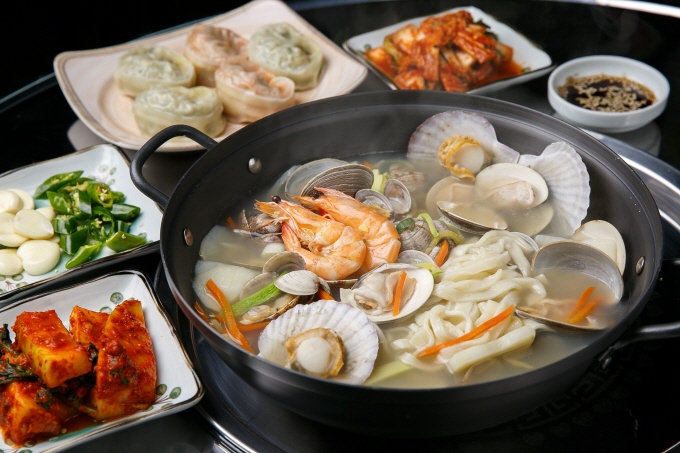
    Haemul Kalguksu is a warm and refreshing Korean seafood noodle soup made with knife-cut wheat noodles, clams, shrimp, squid, vegetables, and anchovy-kelp broth.

    It is especially popular during cold weather because the broth is hot, clean, savory, and deeply comforting. The seafood adds natural sweetness and umami, while the anchovy-kelp broth creates a light but flavorful soup base.

    This Korean seafood kalguksu is perfect for lunch or dinner when you want a hearty noodle soup that still tastes clean and refreshing.


    What is Haemul Kalguksu?

    Haemul Kalguksu is a Korean noodle soup made with seafood and kalguksu noodles.

    The word “haemul” means seafood, and “kalguksu” means knife-cut noodles.

    Kalguksu noodles are thick, chewy wheat noodles often served in a hot broth. In this seafood version, clams, shrimp, squid, and vegetables are cooked in anchovy-kelp broth to create a clean and savory soup.

    It is a classic Korean comfort food, especially on chilly days.


    Recipe Information

    Prep Time: 15 minutes

    Cook Time: 15 minutes

    Total Time: 30 minutes

    Servings: 2

    Difficulty: Easy

    Cuisine: Korean

    Main Ingredient: Seafood and kalguksu noodles

    Best Served As: Korean noodle soup


    Ingredients

    Main Ingredients

    2 servings kalguksu noodles

    Clams, as needed

    Shrimp, as needed

    Squid, as needed

    Zucchini, as needed

    Carrot, as needed

    Chili pepper, as needed

    Green onion, as needed

    Anchovy-kelp broth, enough for 2 servings

    Seasoning Ingredients

    1 tbsp minced garlic

    Korean soup soy sauce, to taste

    Salt, optional, to taste

    Cooking wine or soju, for cleaning seafood


    Ingredient Notes

    Kalguksu Noodles

    Kalguksu noodles are Korean knife-cut wheat noodles.

    Before adding them to the broth, shake off excess flour from the noodles. This helps keep the soup from becoming too thick or cloudy.


    Clams

    Clams give the broth a clean seafood flavor.

    They should be purged and washed well before cooking to remove sand and impurities.


    Shrimp

    Shrimp adds sweetness and seafood depth.

    Clean the shrimp well before adding them to the soup.


    Squid

    Squid gives the soup a chewy texture and rich seafood flavor.

    Clean it thoroughly and cut it into bite-sized pieces before cooking.


    Zucchini and Carrot

    Zucchini and carrot add color, texture, and mild sweetness.

    Cut them into similar-sized strips so they cook evenly.


    Chili Pepper

    Chili pepper adds a light spicy flavor.

    Use a mild chili for gentle heat or Cheongyang chili pepper for a sharper spicy taste.


    Anchovy-Kelp Broth

    Anchovy-kelp broth is the base of the soup.

    It makes the broth taste cleaner and deeper than plain water.

    For better flavor, you can simmer anchovies, kelp, and Korean radish together.


    How to Make Haemul Kalguksu

    Step 1: Clean the Seafood

    Clean the shrimp and squid thoroughly.

    Cut the squid into bite-sized pieces.

    Place the seafood in a bowl with a little cooking wine or leftover soju for about 10 minutes.

    This helps reduce any seafood smell and keeps the flavor cleaner.


    Step 2: Prepare the Clams

    Purge the clams in salt water if needed.

    Scrub the shells well under running water.

    Because the clams are cooked with their shells in the broth, cleaning them properly is important.


    Step 3: Prepare the Vegetables

    Julienne the zucchini and carrot into similar-sized pieces.

    Slice the chili pepper and green onion diagonally.

    Set the vegetables aside.


    Step 4: Make the Anchovy-Kelp Broth

    In a pot, add water, dried anchovies, kelp, and Korean radish.

    Bring to a boil.

    Once the water starts boiling, remove the kelp.

    Continue boiling for about 10 more minutes.

    Remove the anchovies and radish.

    This creates a clean and savory broth for the kalguksu.


    Step 5: Add the Clams

    Bring the prepared broth back to a boil.

    Add the cleaned clams.

    Boil until the clams begin to open and release their seafood flavor into the broth.


    Step 6: Add the Seafood

    Add the squid and shrimp.

    Boil until the seafood starts to cook and the broth becomes more flavorful.

    Do not overcook the seafood, or the squid and shrimp may become tough.


    Step 7: Add the Vegetables

    When the seafood begins to cook, add the zucchini, carrot, and chili pepper.

    Boil briefly until the vegetables start to soften.


    Step 8: Add the Kalguksu Noodles

    Shake off excess flour from the kalguksu noodles.

    Add the noodles to the boiling broth.

    Stir gently so the noodles do not stick together.

    Cook until the noodles become soft and chewy.


    Step 9: Season the Soup

    Add 1 tablespoon of minced garlic.

    Season with Korean soup soy sauce.

    Taste the broth and adjust with salt if needed.

    The seafood and broth already have natural savory flavor, so season gradually.


    Step 10: Finish with Green Onion

    Add the sliced green onion near the end.

    Boil briefly, then turn off the heat.

    Serve hot immediately.


    Pro Tips

    Clean the Seafood Well

    Seafood kalguksu tastes best when the seafood is properly cleaned.

    Cooking wine or soju helps reduce unwanted seafood odor.


    Purge the Clams Properly

    Clams can contain sand.

    Soak them in salt water and rinse the shells well before cooking.

    This keeps the broth clean and pleasant.


    Remove Kelp Early

    When making broth, remove kelp soon after the water starts boiling.

    If kelp boils too long, the broth may become slimy or slightly bitter.


    Shake Off Flour from the Noodles

    Kalguksu noodles are often coated in flour.

    Too much flour can make the broth overly thick, so shake off the excess before adding the noodles.


    Do Not Overcook the Seafood

    Shrimp and squid cook quickly.

    If they boil too long, they can become tough.

    Add them after the clams and cook only until done.


    Season Gradually

    Seafood, anchovy broth, and soup soy sauce all add saltiness.

    Taste before adding extra salt.


    What to Serve with Haemul Kalguksu

    Haemul Kalguksu pairs well with:

    • Kimchi
    • Musaengchae
    • Korean pickled onions
    • Buchujeon
    • Gamja Chaejeon
    • Eomuk Bokkeum
    • Gyeran Jjim
    • Steamed rice
    • Mandu
    • Tteokbokki

    It is especially good with fresh kimchi or a crisp radish side dish.


    Storage Tips

    Haemul Kalguksu tastes best immediately after cooking.

    The noodles continue to absorb broth as they sit, and the seafood can become tough when reheated.

    If you have leftovers, store them in an airtight container in the refrigerator for up to 1 day.

    When reheating, add a little extra broth or water because the noodles will thicken the soup.

    Freezing is not recommended because the noodle and seafood texture will become poor after thawing.


    Frequently Asked Questions

    Can I make Haemul Kalguksu without clams?

    Yes.

    You can use only shrimp, squid, or other seafood, but clams give the broth a deeper and cleaner seafood flavor.


    Can I use frozen seafood?

    Yes.

    Frozen seafood mix can be used.

    Thaw it first and rinse well before cooking.


    Can I use plain water instead of anchovy-kelp broth?

    You can, but the soup will taste lighter.

    Anchovy-kelp broth gives the dish a more traditional and savory Korean flavor.


    Why is my broth too thick?

    The kalguksu noodles may have had too much flour on them.

    Shake off excess flour before adding the noodles.

    If the broth is still too thick, add more broth or water.


    How do I know when the clams are cooked?

    Clams are cooked when they open.

    Discard any clams that remain closed after cooking.


    Can I make it spicy?

    Yes.

    Add Cheongyang chili pepper or a small amount of gochugaru for a spicier version.


    Can I add more vegetables?

    Yes.

    Zucchini, carrot, onion, mushrooms, cabbage, and potatoes all work well.

    Add firmer vegetables earlier and softer vegetables near the end.


    Final Thoughts

    Haemul Kalguksu is a hot and refreshing Korean seafood noodle soup that is perfect for cold days.

    With kalguksu noodles, clams, shrimp, squid, vegetables, garlic, Korean soup soy sauce, and anchovy-kelp broth, you can make a deeply savory and comforting noodle soup in about 30 minutes.

    The key is to use a clean broth, prepare the seafood properly, add the noodles at the right time, and avoid overcooking the seafood.

    If you want a warm Korean noodle soup with chewy noodles and a clean seafood broth, this Haemul Kalguksu recipe is a perfect choice.

  • Kimchi Kalguksu Recipe (Korean Spicy Kimchi Knife-Cut Noodle Soup)

    Kimchi Kalguksu Recipe (Korean Spicy Kimchi Knife-Cut Noodle Soup)

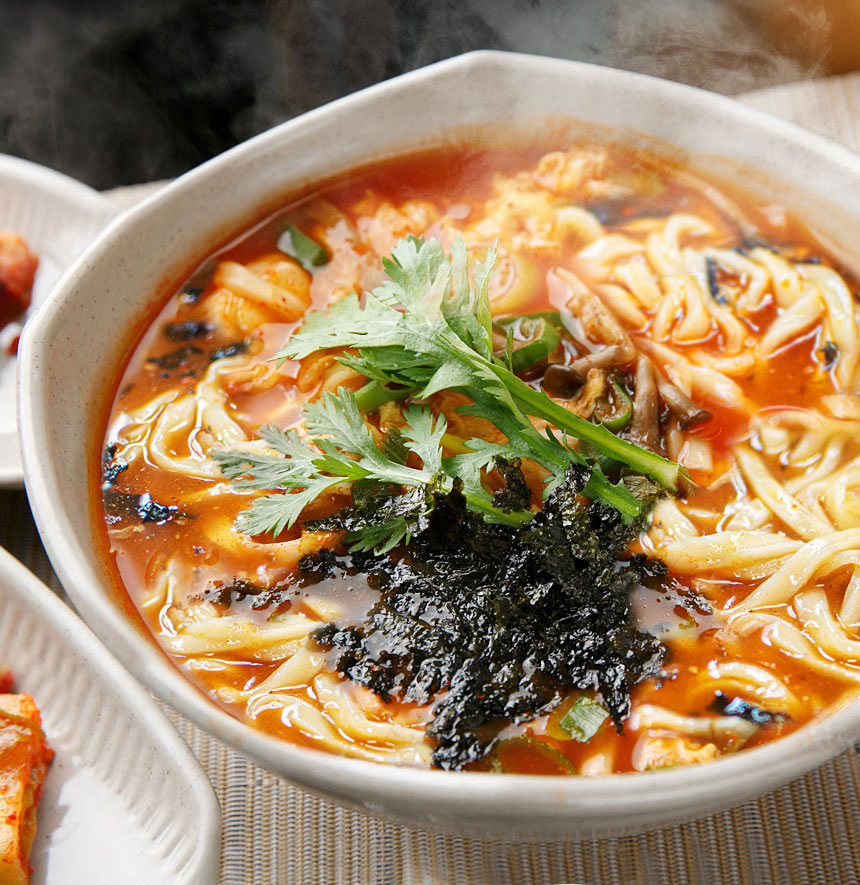
    Kimchi Kalguksu is a spicy Korean noodle soup made with knife-cut wheat noodles, kimchi, clams, anchovy-kelp broth, green onion, Cheongyang chili pepper, and simple Korean seasonings.

    It is warm, spicy, savory, and deeply comforting. The kimchi adds tangy heat, the clams add seafood depth, and the anchovy-kelp broth creates a clean but rich soup base.

    This is a great Korean noodle dish for lunch or dinner, especially when you want something spicy, hearty, and satisfying.


    What is Kimchi Kalguksu?

    Kimchi Kalguksu is a Korean spicy noodle soup made with kimchi and kalguksu noodles.

    The word “kimchi” refers to fermented Korean cabbage, and “kalguksu” means knife-cut noodles.

    Traditional kalguksu is often made with a mild broth, clams, zucchini, potatoes, or chicken. Kimchi Kalguksu is a spicier version that uses kimchi to create a bold, tangy, and refreshing broth.

    It is especially delicious when made with clams because the seafood flavor balances the spicy kimchi broth.


    Recipe Information

    Prep Time: 15 minutes

    Cook Time: 15 minutes

    Total Time: 30 minutes

    Servings: 1

    Difficulty: Easy

    Cuisine: Korean

    Main Ingredient: Kimchi and kalguksu noodles

    Best Served As: Korean noodle soup


    Ingredients

    Main Ingredients

    1 serving kalguksu noodles

    2/3 paper cup kimchi

    1 paper cup clams

    1/2 green onion

    1 Cheongyang chili pepper

    2.5 paper cups anchovy-kelp broth

    1 tbsp sesame oil

    Seasoning Ingredients

    1 tbsp Korean soup soy sauce

    1/2 tbsp minced garlic

    1/2 tbsp gochugaru

    Salt, to taste

    Black pepper, to taste


    Ingredient Notes

    Kalguksu Noodles

    Kalguksu noodles are Korean knife-cut wheat noodles.

    Before adding them to the broth, shake off excess flour from the noodles. This helps prevent the soup from becoming too thick or cloudy.


    Kimchi

    Use well-fermented kimchi for the best flavor.

    Sour kimchi gives the broth a deeper, tangier, and more refreshing taste.

    If your kimchi is very large, chop it into bite-sized pieces before cooking.


    Clams

    Clams add a clean seafood flavor to the broth.

    They pair especially well with kimchi and anchovy-kelp broth.

    Make sure to clean and purge the clams properly before cooking.


    Anchovy-Kelp Broth

    Anchovy-kelp broth gives the soup a savory Korean-style base.

    It makes the broth taste cleaner and deeper than using plain water.


    Cheongyang Chili Pepper

    Cheongyang chili pepper adds sharp heat.

    If you prefer a milder soup, reduce the amount or skip it.


    Sesame Oil

    Sesame oil is used to stir-fry the kimchi first.

    This step makes the kimchi flavor deeper and gives the soup a richer aroma.


    How to Make Kimchi Kalguksu

    Step 1: Prepare the Green Onion and Chili Pepper

    Slice the green onion.

    Chop the Cheongyang chili pepper.

    Set them aside.


    Step 2: Clean the Clams

    Scrub the clams with coarse salt to clean the shells.

    Rinse well.

    To purge the clams, mix about 1 liter of water with 1 tablespoon of coarse salt.

    Place the clams in a strainer and set the strainer in the salt water.

    This helps prevent the clams from sitting directly on the sand they release.

    Cover with a dark plastic bag or cloth and let them sit until they release impurities.


    Step 3: Stir-Fry the Kimchi

    Heat a pot over medium heat.

    Add 1 tablespoon of sesame oil.

    Add the kimchi and stir-fry for 1 to 2 minutes.

    This step deepens the kimchi flavor and makes the broth richer.


    Step 4: Add the Broth

    Pour in 2.5 paper cups of anchovy-kelp broth.

    Bring it to a boil.


    Step 5: Add Clams and Noodles

    Once the broth starts boiling, add the cleaned clams.

    Shake off excess flour from the kalguksu noodles and add them to the pot.

    Stir gently so the noodles do not stick together.


    Step 6: Add Seasonings

    Add:

    • 1 tbsp Korean soup soy sauce
    • 1/2 tbsp minced garlic
    • 1/2 tbsp gochugaru
    • A little salt
    • A little black pepper

    Stir well and continue boiling until the noodles are cooked and the clams open.


    Step 7: Add Green Onion and Chili Pepper

    Add the sliced green onion and chopped Cheongyang chili pepper.

    Boil briefly.

    Taste the broth and adjust with salt if needed.


    Step 8: Serve

    Turn off the heat.

    Serve the Kimchi Kalguksu hot in a bowl.

    Enjoy immediately while the noodles are chewy and the broth is hot.


    Pro Tips

    Stir-Fry the Kimchi First

    Do not simply add kimchi to the broth.

    Stir-frying kimchi in sesame oil first gives the soup a deeper, richer flavor.


    Use Anchovy-Kelp Broth

    Plain water can make the soup taste flat.

    Anchovy-kelp broth adds savory depth and makes the spicy kimchi flavor more balanced.


    Shake Off Excess Flour from the Noodles

    Kalguksu noodles are often coated with flour.

    Shake off the excess flour before adding them to the soup to prevent the broth from becoming too thick.


    Clean the Clams Properly

    Clams can contain sand.

    Purge them in salt water before cooking for a cleaner broth and better texture.


    Add Chili Pepper for Extra Heat

    Cheongyang chili pepper gives the soup a sharp, spicy kick.

    Use it if you want a stronger and more refreshing spicy flavor.


    What to Serve with Kimchi Kalguksu

    Kimchi Kalguksu pairs well with:

    • Kimchi
    • Musaengchae
    • Korean pickled onions
    • Gyeran Jjim
    • Eomuk Bokkeum
    • Gamja Jorim
    • Buchujeon
    • Tteokbokki
    • Mandu
    • Steamed rice

    It is already filling on its own, but simple Korean side dishes make the meal more satisfying.


    Storage Tips

    Kimchi Kalguksu tastes best immediately after cooking.

    The noodles continue absorbing broth as they sit, so the texture becomes softer over time.

    If you have leftovers, store them in an airtight container in the refrigerator for up to 1 day.

    When reheating, add a little extra broth or water because the noodles will thicken the soup.

    Freezing is not recommended because the noodle texture becomes poor after thawing.


    Frequently Asked Questions

    Can I make Kimchi Kalguksu without clams?

    Yes.

    You can skip the clams and use more anchovy-kelp broth.

    The soup will still be delicious, but the seafood flavor will be lighter.


    Can I use fresh kimchi?

    You can, but sour kimchi tastes better.

    Well-fermented kimchi gives the broth a deeper and more refreshing flavor.


    Can I use other noodles?

    Yes.

    You can use udon noodles or fresh wheat noodles if you do not have kalguksu noodles.

    The texture will be different, but the soup will still work.


    Why is my broth too thick?

    The noodles may have had too much flour on them.

    Shake off excess flour before adding the noodles, or briefly rinse them if needed.


    Can I make it spicier?

    Yes.

    Add more gochugaru or more Cheongyang chili pepper.

    You can also add a little kimchi juice for extra tangy heat.


    How do I know when the clams are cooked?

    The clams are cooked when they open.

    Discard any clams that stay closed after cooking.


    Can I add vegetables?

    Yes.

    Zucchini, onion, mushrooms, or cabbage can be added.

    Add firm vegetables earlier and soft vegetables near the end.


    Final Thoughts

    Kimchi Kalguksu is a spicy and comforting Korean noodle soup that is perfect when you want something warm, hearty, and refreshing.

    With kimchi, clams, anchovy-kelp broth, kalguksu noodles, green onion, Cheongyang chili pepper, sesame oil, and simple seasonings, you can make a flavorful Korean noodle soup in about 30 minutes.

    The key is to stir-fry the kimchi first, use a good broth, clean the clams properly, and shake off excess flour from the noodles before cooking.

    If you want a spicy Korean noodle soup with chewy noodles and a clean, savory broth, this Kimchi Kalguksu recipe is a perfect choice.

  • Bite-Sized Buchujeon Recipe (Korean Garlic Chive Pancakes)

    Bite-Sized Buchujeon Recipe (Korean Garlic Chive Pancakes)

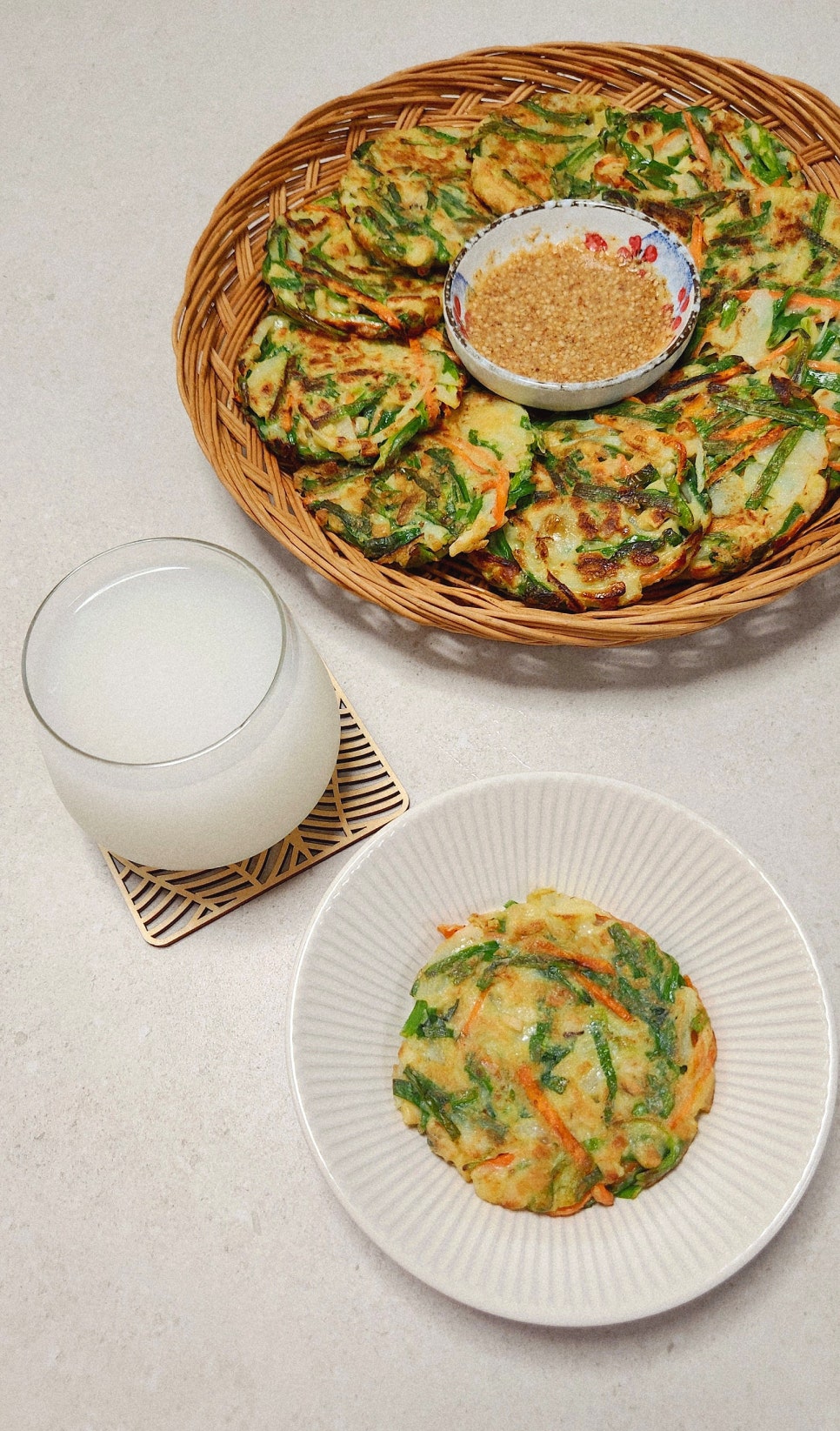
    Bite-sized Buchujeon is a Korean garlic chive pancake made with chopped garlic chives, carrot, Cheongyang chili pepper, pancake mix, water, and egg.

    Unlike a large traditional buchujeon, this version is cooked in small round pieces, making it easy to eat in one bite. It is crispy around the edges, savory in the center, and perfect as a snack, appetizer, side dish, or party food.

    This recipe is simple, quick, and especially good when you want a Korean pancake that is easy to serve to guests.


    What is Buchujeon?

    Buchujeon is a Korean savory pancake made with garlic chives.

    The word “buchu” means garlic chives, and “jeon” means Korean pan-fried pancake.

    Garlic chives have a mild garlicky aroma and a fresh green flavor. When mixed into a light pancake batter and pan-fried in oil, they become savory, fragrant, and delicious.

    Traditional buchujeon is often made as one large pancake, but this recipe makes small bite-sized pancakes that are easier to flip, serve, and eat.


    Recipe Information

    Prep Time: 10 minutes

    Cook Time: 10 minutes

    Total Time: 20 minutes

    Servings: 2

    Difficulty: Easy

    Cuisine: Korean

    Main Ingredient: Garlic chives

    Best Served As: Korean pancake, appetizer, or side dish


    Ingredients

    Main Ingredients

    1 handful garlic chives

    A small amount of carrot

    1 Cheongyang chili pepper

    1/2 paper cup Korean pancake mix

    1/2 paper cup water

    1 egg

    Cooking oil, as needed

    Optional Seasoning

    A small pinch of salt, to taste


    Ingredient Notes

    Garlic Chives

    Garlic chives are the main ingredient of Buchujeon.

    They have a fresh, slightly garlicky flavor that becomes more savory when pan-fried.

    For this bite-sized version, chop the chives into short 1cm pieces so they mix evenly into the batter.


    Carrot

    Carrot adds color, light sweetness, and texture.

    Cut it into small pieces similar in size to the chopped garlic chives.


    Cheongyang Chili Pepper

    Cheongyang chili pepper adds a spicy kick.

    If you want a milder version, you can skip it or use a less spicy chili pepper.


    Korean Pancake Mix

    Korean pancake mix helps create a savory and slightly crisp pancake.

    If you do not have Korean pancake mix, you can use all-purpose flour, but the flavor and texture may be slightly different.


    Egg

    Egg helps the batter hold together.

    It also gives the pancakes a softer and richer texture inside.


    How to Make Bite-Sized Buchujeon

    Step 1: Prepare the Garlic Chives

    Wash and trim the garlic chives.

    Cut them into short 1cm pieces.

    Set aside a small amount of chopped garlic chives for blending into the batter.


    Step 2: Prepare the Vegetables

    Cut the carrot into small thin pieces.

    Finely chop the Cheongyang chili pepper.

    Keep the pieces small so the pancakes cook evenly and are easy to eat in one bite.


    Step 3: Blend the Batter Base

    In a blender, add water, egg, and a small amount of garlic chives.

    Blend until smooth.

    This gives the batter a light green color and adds more garlic chive flavor throughout the pancake.


    Step 4: Make the Batter

    Place the Korean pancake mix in a mixing bowl.

    Add the blended chive mixture.

    Stir until a smooth batter forms.

    If you prefer a slightly saltier pancake, add a small pinch of salt.


    Step 5: Add the Vegetables

    Add the chopped garlic chives, carrot, and Cheongyang chili pepper to the batter.

    Mix until the vegetables are evenly coated.

    The batter should be thick enough to hold the vegetables together.


    Step 6: Heat the Pan

    Heat a frying pan over medium heat.

    Add enough cooking oil to coat the bottom of the pan.

    The oil should be hot enough to sizzle when the batter is added.


    Step 7: Pan-Fry into Bite-Sized Pancakes

    Spoon small portions of batter into the pan.

    Shape each portion into a small round pancake.

    Cook until the bottom becomes golden and crispy.

    Flip and cook the other side until fully cooked and lightly browned.


    Step 8: Serve

    Transfer the bite-sized Buchujeon to a plate.

    Serve hot for the best crispy texture.

    You can eat them plain or dip them in a simple soy-vinegar dipping sauce.


    Optional Dipping Sauce

    Mix together:

    • 1 tbsp soy sauce
    • 1 tbsp vinegar
    • A pinch of gochugaru
    • A few sesame seeds

    This simple dipping sauce adds saltiness, acidity, and a mild spicy flavor.


    Pro Tips

    Cut the Chives Short

    For bite-sized pancakes, short pieces of garlic chives work better than long pieces.

    They mix evenly into the batter and make the pancakes easier to shape.


    Blend Some Chives into the Batter

    Blending a small amount of garlic chives with water and egg gives the batter more flavor and a light green color.

    This makes the pancakes taste more aromatic.


    Use Enough Oil

    Jeon tastes best when pan-fried with enough oil.

    A generous coating of oil helps create crispy edges.


    Cook Over Medium Heat

    Medium heat gives the best texture.

    If the heat is too high, the outside may burn before the inside cooks.

    If the heat is too low, the pancakes may absorb too much oil and become greasy.


    Make Them Small

    Small pancakes are easier to flip and serve.

    They are also great for guests, lunch boxes, and party platters.


    What to Serve with Bite-Sized Buchujeon

    Bite-sized Buchujeon pairs well with:

    • Soy-vinegar dipping sauce
    • Kimchi
    • Tteokbokki
    • Eomuk Bokkeum
    • Kongnamul Guk
    • Miyeokguk
    • Korean pickled onions
    • Musaengchae
    • Makgeolli
    • Korean BBQ

    It is especially good as an appetizer or snack with a dipping sauce.


    Storage Tips

    Buchujeon tastes best right after cooking.

    The edges are crispiest when served hot from the pan.

    If you have leftovers, store them in an airtight container in the refrigerator for up to 1 day.

    To reheat, place them in a frying pan over low to medium heat until warm and crispy again.

    Avoid microwaving if possible because it can make the pancakes soft.

    Freezing is not recommended because the texture may become watery after thawing.


    Frequently Asked Questions

    Can I use all-purpose flour instead of Korean pancake mix?

    Yes.

    You can use all-purpose flour, but Korean pancake mix gives better flavor and texture.

    If using all-purpose flour, add a small pinch of salt for seasoning.


    Can I make this without Cheongyang chili pepper?

    Yes.

    Skip the chili pepper if you want a mild version.

    This is a good option for children or people who do not enjoy spicy food.


    Why are my pancakes not crispy?

    There may not be enough oil, or the pan may not be hot enough.

    Use medium heat and enough oil to lightly fry the edges.


    Can I make one large pancake instead?

    Yes.

    You can make one large Buchujeon instead of small pancakes.

    However, small pancakes are easier to flip and better for serving as finger food.


    Can I add seafood?

    Yes.

    Small pieces of squid or shrimp can be added.

    Make sure they are chopped small so the pancakes cook evenly.


    Can I make the batter ahead of time?

    It is better to make the batter right before cooking.

    If the batter sits too long, the vegetables may release water and make the texture less crispy.


    Final Thoughts

    Bite-sized Buchujeon is a simple and delicious Korean garlic chive pancake that is crispy, savory, and easy to eat.

    With garlic chives, carrot, Cheongyang chili pepper, pancake mix, water, and egg, you can make a flavorful Korean pancake in about 20 minutes.

    The key is to chop the chives short, blend a small amount into the batter, cook over medium heat, and pan-fry with enough oil.

    If you want an easy Korean pancake recipe that works well as a snack, side dish, appetizer, or guest-friendly dish, this bite-sized Buchujeon recipe is a perfect choice.
  • Yubu Chobap Recipe Ideas (Korean Inari Sushi Lunch Box)

    Yubu Chobap Recipe Ideas (Korean Inari Sushi Lunch Box)

    Yubu Chobap is a popular Korean lunch box dish made with seasoned rice stuffed into sweet and savory fried tofu pockets.

    It is quick, easy, and highly customizable. The basic version is delicious on its own, but it becomes even better when topped or mixed with ingredients like salmon, imitation crab, spicy mayo, shrimp, tuna, egg, spinach, or vegetables.

    This makes Yubu Chobap one of the best Korean lunch box recipes because it is easy to pack, easy to eat, and delicious even at room temperature.


    What is Yubu Chobap?

    Yubu Chobap is the Korean version of inari sushi.

    “Yubu” means seasoned fried tofu pouch, and “chobap” means vinegared rice.

    The tofu pockets are usually sweet, salty, and juicy. They are filled with seasoned rice and often served as a lunch box meal, picnic food, party snack, or simple home meal.

    In Korea, Yubu Chobap is especially popular because it is fast to make and easy to customize with different toppings and fillings.


    Recipe Information

    Prep Time: 5 minutes

    Cook Time: 0 minutes

    Total Time: 5 minutes

    Servings: 1

    Difficulty: Easy

    Cuisine: Korean

    Main Ingredient: Seasoned fried tofu pockets

    Best Served As: Lunch box, snack, or picnic food


    Basic Ingredients

    Main Ingredients

    Seasoned fried tofu pockets

    Cooked rice

    Seasoning packet from the yubu chobap kit, if included

    Sesame seeds, optional

    Optional Toppings and Fillings

    Salmon

    Imitation crab

    Pollock roe mayo

    Shrimp

    Tuna

    Spinach

    Egg

    Vegetables

    Mayonnaise

    Green onion

    Seaweed flakes


    Ingredient Notes

    Seasoned Fried Tofu Pockets

    Seasoned fried tofu pockets are the base of Yubu Chobap.

    They are usually sold in ready-to-use kits at Korean grocery stores. Most kits include tofu pockets, rice seasoning, and sometimes vinegar sauce.

    The tofu pockets are already sweet and savory, so you do not need to cook them.


    Cooked Rice

    Use warm cooked short-grain rice for the best texture.

    The rice should be sticky enough to hold together, but not too wet.

    Let the rice cool slightly before stuffing it into the tofu pockets.


    Salmon

    Salmon makes Yubu Chobap taste more premium.

    It adds a soft, rich, and fresh flavor that pairs well with the sweet tofu pockets.


    Imitation Crab

    Imitation crab gives the dish a creamy and savory flavor when mixed with mayonnaise.

    Crab Yubu Chobap is one of the most popular Korean-style versions.


    Pollock Roe Mayo

    Pollock roe mayo adds a salty, creamy, and slightly rich flavor.

    It makes the tofu rice pockets taste more luxurious and restaurant-style.


    Shrimp

    Shrimp adds a firm texture and clean seafood flavor.

    Whole shrimp on top of Yubu Chobap makes the dish look attractive for lunch boxes or party platters.


    Egg and Spinach

    Egg and spinach are great for a colorful and balanced version.

    They work well for a three-color Yubu Chobap style with tuna, spinach, and egg.


    How to Make Basic Yubu Chobap

    Step 1: Prepare the Rice

    Place warm cooked rice in a mixing bowl.

    Add the seasoning packet from the yubu chobap kit.

    Mix gently until the rice is evenly seasoned.

    If your kit does not include seasoning, you can season the rice lightly with rice vinegar, sugar, salt, and sesame seeds.


    Step 2: Prepare the Tofu Pockets

    Carefully open each seasoned fried tofu pocket.

    Be gentle because the tofu pockets can tear easily.

    Lightly press out excess liquid if they are too wet, but do not squeeze them completely dry.


    Step 3: Fill the Tofu Pockets

    Take a small amount of seasoned rice.

    Gently shape it with your hands.

    Stuff the rice into each tofu pocket.

    Do not overfill, or the tofu pocket may tear.


    Step 4: Add Toppings

    You can serve the basic version as it is, or add toppings.

    Popular toppings include salmon, imitation crab mayo, shrimp, tuna mayo, egg, spinach, or pollock roe mayo.


    Step 5: Serve

    Arrange the Yubu Chobap on a plate or lunch box.

    Serve immediately, or pack it for a picnic or lunch box meal.


    Yubu Chobap Recipe Variations

    Salmon Yubu Chobap

    Top each filled tofu pocket with salmon.

    You can use cooked salmon, smoked salmon, or sashimi-grade salmon if eating immediately.

    Add a little mayonnaise, green onion, or sesame seeds for extra flavor.

    This version tastes rich, fresh, and slightly luxurious.


    Crab Mayo Yubu Chobap

    Shred imitation crab into thin pieces.

    Mix it with mayonnaise.

    Place the crab mayo mixture on top of each tofu pocket.

    This version is creamy, savory, and very popular for lunch boxes.


    Pollock Roe Mayo Yubu Chobap

    Mix pollock roe with mayonnaise.

    Spoon the mixture over the rice-filled tofu pockets.

    This version is salty, creamy, and full of umami.

    It is a great choice when you want a more premium flavor.


    Shrimp Yubu Chobap

    Cook shrimp and let it cool.

    Place one shrimp on top of each tofu pocket.

    You can add a small amount of mayonnaise or wasabi mayo underneath the shrimp.

    This version looks impressive and works well for party platters.


    Three-Color Yubu Chobap

    Prepare three toppings such as tuna, spinach, and egg.

    Place each topping on different tofu pockets.

    This creates a colorful and balanced lunch box.

    It is especially good when you want a visually appealing meal.


    Pro Tips

    Use Warm Rice

    Warm rice mixes better with the seasoning.

    However, do not use rice that is too hot, or the tofu pockets may become too soft.


    Do Not Overfill

    Overfilling can tear the tofu pockets.

    Use a moderate amount of rice and gently press it into shape.


    Drain Excess Liquid

    If the tofu pockets are too wet, the rice can become soggy.

    Lightly press out excess liquid before filling.


    Customize the Toppings

    Yubu Chobap works with many ingredients.

    Creamy, salty, spicy, or seafood toppings all pair well with the sweet tofu pockets.


    Pack Toppings Carefully

    If making a lunch box, use toppings that hold well at room temperature.

    For raw salmon or seafood toppings, keep the lunch box chilled and eat it as soon as possible.


    What to Serve with Yubu Chobap

    Yubu Chobap pairs well with:

    • Tteokbokki
    • Eomuk soup
    • Kimchi
    • Pickled radish
    • Korean fried chicken
    • Gyeran Jjim
    • Kongnamul Guk
    • Miso soup
    • Salad
    • Fruit

    It is especially good as part of a Korean lunch box with simple side dishes.


    Storage Tips

    Yubu Chobap tastes best when freshly made.

    If storing, keep it in an airtight container in the refrigerator.

    It is best eaten within 1 day.

    The rice can become firm after refrigeration, so let it sit at room temperature briefly before eating.

    Avoid freezing Yubu Chobap because the rice and tofu texture can become unpleasant after thawing.

    If using raw fish toppings, eat immediately and do not store for long.


    Frequently Asked Questions

    Can I make Yubu Chobap ahead of time?

    Yes, but it is best made the same day.

    For lunch boxes, make it in the morning and keep it chilled until eating.


    Can I use regular rice?

    Short-grain rice is best because it is sticky and holds together well.

    Long-grain rice may fall apart more easily.


    Do I need to cook the tofu pockets?

    No.

    Most packaged yubu tofu pockets are already seasoned and ready to use.


    Can I make Yubu Chobap without a kit?

    Yes.

    You can use seasoned fried tofu pockets and season the rice yourself with vinegar, sugar, salt, and sesame seeds.


    What toppings are best for lunch boxes?

    Crab mayo, tuna mayo, egg, spinach, and cooked shrimp work well.

    Be careful with raw fish toppings unless the lunch box will stay cold.


    Why is my Yubu Chobap soggy?

    The tofu pockets may have had too much liquid, or the rice may have been too wet.

    Lightly press out excess liquid from the tofu pockets before filling.


    Can kids eat Yubu Chobap?

    Yes.

    Yubu Chobap is sweet, savory, soft, and easy to eat, making it a popular lunch box food for kids.

    Use mild toppings such as egg, crab mayo, tuna mayo, or vegetables.


    Final Thoughts

    Yubu Chobap is one of the easiest and most versatile Korean lunch box dishes.

    With seasoned fried tofu pockets and rice, you can make a simple meal in just a few minutes. By adding toppings like salmon, imitation crab, pollock roe mayo, shrimp, tuna, egg, or spinach, you can turn basic Yubu Chobap into a more colorful and flavorful dish.

    It is sweet, savory, filling, and perfect for lunch boxes, picnics, snacks, or simple meals.

    If you want an easy Korean lunch box recipe that can be customized in many ways, this Yubu Chobap recipe collection is a perfect choice.

  • Gamja Chaejeon Recipe (Korean Crispy Potato Pancake)

    Gamja Chaejeon is a Korean shredded potato pancake made with thinly sliced potatoes, a little pancake mix, salt, pepper, and plenty of cooking oil.

    Unlike the softer and chewier style of grated potato pancake, this version is crispy on the outside and pleasantly chewy inside. Because the potatoes are cut into thin strips, the texture is more crunchy and satisfying.

    This is a quick Korean potato recipe that can be made in about 10 minutes with only a few simple ingredients.


    What is Gamja Chaejeon?

    Gamja Chaejeon means Korean shredded potato pancake.

    The word “gamja” means potato, “chae” means thin strips or julienned pieces, and “jeon” means Korean pan-fried pancake.

    Traditional gamjajeon is often made by grating potatoes, which creates a soft, chewy texture. Gamja Chaejeon is different because the potatoes are shredded or thinly sliced, giving the pancake a crispier bite.

    It is simple, affordable, and perfect as a snack, side dish, or light meal.


    Recipe Information

    Prep Time: 5 minutes

    Cook Time: 5 minutes

    Total Time: 10 minutes

    Servings: 2

    Difficulty: Easy

    Cuisine: Korean

    Main Ingredient: Potato

    Best Served As: Korean snack or side dish


    Ingredients

    Main Ingredients

    2 medium potatoes

    1/2 tsp salt

    1.5 tbsp Korean pancake mix or all-purpose flour

    Black pepper, to taste

    Cooking oil, generous amount


    Ingredient Notes

    Potatoes

    Use medium-sized potatoes.

    Slice them as thinly as possible so they cook quickly and become crispy.


    Korean Pancake Mix

    Korean pancake mix helps bind the potato strips together.

    If you do not have Korean pancake mix, you can use all-purpose flour. The flavor may be slightly different, but it will still work.


    Salt

    Salt seasons the potatoes and also helps draw out a small amount of moisture.

    That natural moisture helps the pancake mix coat the potato strips without adding extra water.


    Black Pepper

    Black pepper adds a mild savory aroma.

    Use only a small amount so it does not overpower the potato flavor.


    Cooking Oil

    Use enough oil to pan-fry the potato pancake properly.

    A generous amount of oil helps create a crispy golden exterior.


    How to Make Gamja Chaejeon

    Step 1: Peel and Slice the Potatoes

    Peel the potatoes with a vegetable peeler.

    Cut the potatoes into very thin strips.

    The thinner the strips, the crispier the pancake will be.


    Step 2: Rinse the Potato Strips

    Rinse the thinly sliced potatoes under running water two or three times.

    This removes excess starch.

    Removing starch helps the pancake become crispier instead of too sticky.


    Step 3: Drain Well

    Place the rinsed potato strips in a strainer.

    Drain well.

    Try to remove as much excess water as possible before mixing.


    Step 4: Season the Potatoes

    Place the drained potato strips in a mixing bowl.

    Add:

    • 1.5 tbsp Korean pancake mix
    • 1/2 tsp salt
    • A little black pepper

    Mix gently with a spoon.

    As you mix, the potatoes will release a small amount of moisture, so you do not need to add water.


    Step 5: Heat the Pan

    Heat a frying pan over medium heat.

    Add a generous amount of cooking oil.

    The pan should be hot enough to sizzle when the potato mixture is added.


    Step 6: Pan-Fry the Potato Pancake

    Place the potato mixture into the pan.

    Spread it into your desired size.

    You can make one large pancake or several smaller pancakes.

    Cook over medium heat until the bottom becomes golden and crispy.


    Step 7: Flip the Pancake

    When the edges turn golden and the potato strips look slightly translucent, flip the pancake.

    Cook the other side until golden brown and crisp.

    Add a little more oil around the edges if needed.


    Step 8: Serve

    Transfer the pancake to a plate.

    Serve hot for the crispiest texture.

    You can eat it plain or dip it in a simple soy-vinegar dipping sauce.


    Optional Dipping Sauce

    Mix together:

    • 1 tbsp soy sauce
    • 1 tbsp vinegar
    • A pinch of gochugaru

    This simple dipping sauce adds saltiness, acidity, and a mild spicy flavor.


    Pro Tips

    Slice the Potatoes Thinly

    Thin potato strips cook faster and become crispier.

    Thick strips may stay undercooked inside.


    Rinse Away the Starch

    For this shredded potato pancake, rinsing the potato strips helps create a crispier texture.

    This is different from grated potato pancakes, where starch is often kept for chewiness.


    Drain the Potatoes Well

    Too much water can make the pancake soggy.

    Drain the potatoes well before mixing with pancake mix.


    Do Not Add Extra Water

    The potatoes naturally release moisture after being mixed with salt.

    That moisture is enough to bind the pancake mixture.


    Use Enough Oil

    A small amount of oil will not create the same crispy texture.

    Use enough oil to pan-fry the edges until golden and crisp.


    Cook Over Medium Heat

    If the heat is too high, the outside may burn before the inside cooks.

    Medium heat gives the best balance of crispy outside and tender inside.


    What to Serve with Gamja Chaejeon

    Gamja Chaejeon pairs well with:

    • Soy-vinegar dipping sauce
    • Kimchi
    • Korean pickled onions
    • Kongnamul Guk
    • Miyeokguk
    • Eomuk Bokkeum
    • Musaengchae
    • Gyeran Jjim
    • Tteokbokki
    • Makgeolli

    It is especially good as a snack or simple side dish.


    Storage Tips

    Gamja Chaejeon tastes best immediately after cooking.

    The texture is crispiest when served hot from the pan.

    If you have leftovers, store them in an airtight container in the refrigerator for up to 1 day.

    To reheat, place the pancake in a frying pan over low to medium heat until crispy again.

    Avoid microwaving if possible because it can make the pancake soft.

    Freezing is not recommended because the texture may become watery after thawing.


    Frequently Asked Questions

    Can I use all-purpose flour instead of Korean pancake mix?

    Yes.

    All-purpose flour works as a substitute.

    Korean pancake mix may add a slightly more savory flavor, but both options can bind the potatoes.


    Why is my potato pancake not crispy?

    There may be too much moisture, not enough oil, or the heat may be too low.

    Rinse the potatoes, drain them well, and use enough oil over medium heat.


    Do I need to add water?

    No.

    The potatoes release moisture naturally after being mixed with salt and pancake mix.

    Adding water can make the mixture too loose and less crispy.


    Can I make this without flour?

    You can, but the pancake may not hold together as well.

    A small amount of pancake mix or flour helps bind the shredded potatoes.


    Can I add onion or other vegetables?

    Yes.

    You can add a small amount of thinly sliced onion, carrot, or green onion.

    Do not add too much, or the pancake may become watery and harder to crisp.


    What sauce goes best with Gamja Chaejeon?

    A simple soy sauce and vinegar dipping sauce works best.

    You can also add gochugaru, chopped green onion, or sesame seeds.


    Final Thoughts

    Gamja Chaejeon is a quick and crispy Korean shredded potato pancake that is easy to make with only a few ingredients.

    With potatoes, salt, pancake mix, pepper, and cooking oil, you can make a golden, crispy, and satisfying Korean potato dish in about 10 minutes.

    The key is to slice the potatoes thinly, rinse away excess starch, drain them well, and pan-fry with enough oil.

    If you want a simple Korean potato pancake that is crispy on the outside and tender inside, this Gamja Chaejeon recipe is a perfect choice.

  • Myeolchi Bokkeum Recipe (Korean Stir-Fried Anchovies)

    Myeolchi Bokkeum Recipe (Korean Stir-Fried Anchovies)

    Myeolchi Bokkeum is a classic Korean side dish made with small dried anchovies stir-fried in oil and coated with a sweet and savory soy sauce glaze.

    This version is crispy, nutty, lightly sweet, and mild enough for kids. The key is to dry-fry the anchovies first to remove any fishy smell, then stir-fry them with oil until slightly crisp before adding the seasoning.

    It is a simple Korean banchan that keeps well in the refrigerator and tastes great with steamed rice.


    What is Myeolchi Bokkeum?

    Myeolchi Bokkeum means Korean stir-fried anchovies.

    The word “myeolchi” means anchovies, and “bokkeum” means stir-fried dish.

    It is one of the most common Korean side dishes served at home, in lunch boxes, and with everyday meals. Small dried anchovies are cooked until crisp, then seasoned with soy sauce, syrup, sesame oil, and sesame seeds.

    This version is a mild soy sauce-style anchovy stir-fry, making it especially good as a simple side dish for children.


    Recipe Information

    Prep Time: 2 minutes

    Cook Time: 8 minutes

    Total Time: 10 minutes

    Servings: 4

    Difficulty: Easy

    Cuisine: Korean

    Main Ingredient: Small dried anchovies

    Best Served As: Korean side dish


    Ingredients

    Main Ingredients

    1 soup bowl small dried anchovies, about 300cc

    Seasoning Ingredients

    3 tbsp cooking oil

    1 tbsp soy sauce

    1 tbsp cooking wine

    3 tbsp oligosaccharide syrup or corn syrup

    1 tsp sugar, optional

    1 tbsp sesame oil

    1 tbsp ground sesame seeds or sesame seeds


    Ingredient Notes

    Small Dried Anchovies

    Use small dried anchovies for this recipe.

    They are usually eaten whole and become crispy when stir-fried.

    If the anchovies are too salty, you can shake off excess powder or lightly sift them before cooking.


    Cooking Oil

    Oil helps the anchovies become crisp and prevents them from tasting dry.

    A neutral oil such as canola oil, vegetable oil, or grape seed oil works well.


    Soy Sauce

    Soy sauce gives the anchovies a savory and salty flavor.

    Use only a small amount because dried anchovies are already naturally salty.


    Cooking Wine

    Cooking wine helps reduce any fishy smell.

    It also adds a little depth to the seasoning.


    Oligosaccharide Syrup

    Oligosaccharide syrup gives the anchovies sweetness and a glossy finish.

    You can also use corn syrup or Korean cooking syrup.


    Sugar

    Sugar is optional.

    If you prefer a less sweet version, you can skip it.


    Sesame Oil and Sesame Seeds

    Sesame oil and sesame seeds add nutty aroma and flavor.

    Add them after turning off the heat to keep the fragrance fresh.


    How to Make Myeolchi Bokkeum

    Step 1: Dry-Fry the Anchovies

    Place the small dried anchovies in a dry pan.

    Do not add oil yet.

    Turn the heat to medium and stir-fry the anchovies until they become slightly golden and smell less fishy.

    This step removes excess moisture and helps the anchovies become crisp.


    Step 2: Add Oil

    When the anchovies are lightly golden, add 3 tablespoons of cooking oil.

    Continue stir-frying until the anchovies become crisp and slightly fried.

    You may see small bubbles around the anchovies as they cook.


    Step 3: Turn Off the Heat

    Turn off the heat before adding the liquid seasonings.

    This helps prevent the soy sauce and syrup from burning too quickly.


    Step 4: Add Soy Sauce and Cooking Wine

    Add 1 tablespoon of soy sauce and 1 tablespoon of cooking wine.

    Mix quickly and evenly so the anchovies are lightly coated.


    Step 5: Add Syrup and Sugar

    Add 3 tablespoons of oligosaccharide syrup.

    Add 1 teaspoon of sugar if you want a sweeter flavor.

    Turn the heat to low and stir-fry very briefly, only for about 3 to 5 seconds.

    Do not cook too long after adding syrup, or the anchovies can clump together.


    Step 6: Turn Off the Heat Again

    Turn off the heat.

    Add 1 tablespoon sesame oil and 1 tablespoon ground sesame seeds or sesame seeds.

    Mix well.


    Step 7: Serve

    Transfer the Myeolchi Bokkeum to a plate or storage container.

    Let it cool slightly before serving.

    It can be served warm, at room temperature, or chilled.


    Pro Tips

    Dry-Fry First

    Dry-frying the anchovies before adding oil removes fishy smell and excess moisture.

    This is the key to making clean-tasting anchovy stir-fry.


    Stir-Fry with Oil Until Crisp

    Cooking the anchovies with oil makes them crispy instead of soggy.

    This helps them stay delicious until the last bite.


    Control the Heat Carefully

    Heat control is very important.

    If the heat is too high after adding syrup, the anchovies can burn or clump together.


    Add Syrup at the End

    Add syrup near the end and cook only briefly.

    This keeps the anchovies glossy without making them sticky or hard.


    Turn Off the Heat Before Adding Sesame Oil

    Sesame oil tastes best when added after cooking.

    Adding it at the end keeps the nutty aroma fresh.


    What to Serve with Myeolchi Bokkeum

    Myeolchi Bokkeum pairs well with:

    • Steamed white rice
    • Kimchi
    • Gyeran Jjim
    • Kongnamul Guk
    • Miyeokguk
    • Doenjang Jjigae
    • Gamja Jorim
    • Eomuk Bokkeum
    • Musaengchae
    • Korean lunch boxes

    It is especially good as a simple side dish for children’s meals or everyday rice meals.


    Storage Tips

    Store Myeolchi Bokkeum in an airtight container.

    For short-term storage, it can be kept at room temperature for a day if your kitchen is cool and dry.

    For longer storage, keep it in the refrigerator.

    It is best eaten within 5 to 7 days.

    To keep the texture crisp, let the anchovies cool completely before closing the container.

    If they become slightly soft after refrigeration, you can briefly stir-fry them again in a dry pan over low heat.


    Frequently Asked Questions

    Why does my Myeolchi Bokkeum smell fishy?

    The anchovies may not have been dry-fried long enough.

    Dry-fry them first in an empty pan to remove moisture and reduce fishy smell.


    Why did my anchovies clump together?

    The heat may have been too high after adding syrup.

    Add syrup near the end and stir-fry only briefly over low heat.


    Can I skip the sugar?

    Yes.

    If you do not like sweet anchovy stir-fry, skip the sugar and use only oligosaccharide syrup.


    Can I make this less salty?

    Yes.

    Use less soy sauce, or taste the anchovies first before seasoning.

    Dried anchovies already contain salt, so a small amount of soy sauce is enough.


    Can I add nuts?

    Yes.

    You can add sliced almonds, walnuts, or peanuts.

    Toast the nuts lightly and add them near the end.


    Is this good for lunch boxes?

    Yes.

    Myeolchi Bokkeum is one of the most popular Korean lunch box side dishes.

    It keeps well and tastes good at room temperature.


    Can I make this spicy?

    Yes.

    Add a small amount of gochugaru or sliced chili peppers if you want a spicy version.


    Final Thoughts

    Myeolchi Bokkeum is a simple, crispy, and savory Korean anchovy side dish that is perfect for everyday meals.

    With small dried anchovies, soy sauce, cooking wine, syrup, sesame oil, and sesame seeds, you can make a delicious Korean banchan in just 10 minutes.

    The key is to dry-fry the anchovies first, stir-fry them with oil until crisp, and add the sweet soy glaze at the end with careful heat control.

    If you want an easy Korean side dish that is crispy, nutty, kid-friendly, and perfect with rice, this Myeolchi Bokkeum recipe is a perfect choice.
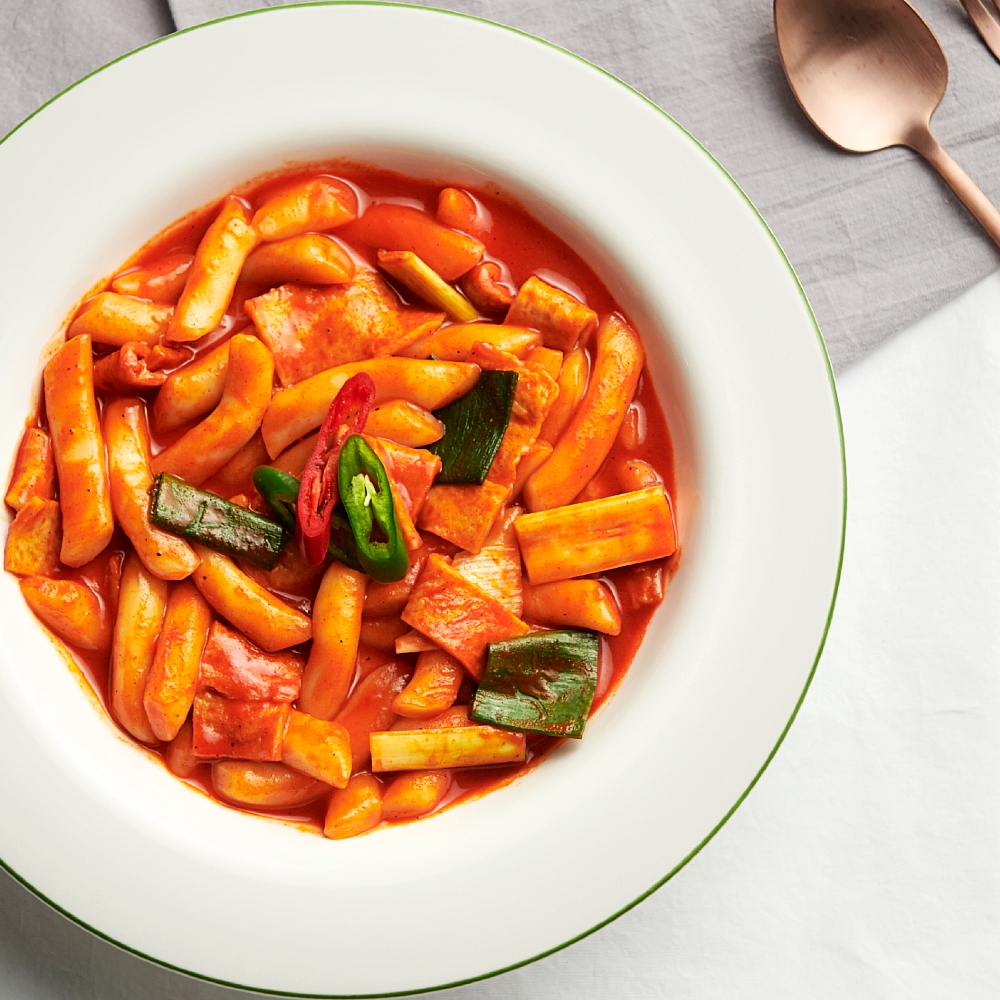
  • Tteokbokki Recipe (Korean Spicy Rice Cakes)

    Tteokbokki Recipe (Korean Spicy Rice Cakes)

    Tteokbokki is one of Korea’s most popular street foods, made with chewy rice cakes simmered in a sweet, spicy, and savory gochujang sauce.

    This version is simple, fast, and tastes like the classic tteokbokki you would find at a Korean snack shop, or bunsik restaurant. With only rice cakes, water, green onion, gochujang, gochugaru, soy sauce, and sugar, you can make a delicious Korean spicy rice cake dish in about 15 minutes.

    The sauce is thick, glossy, spicy, sweet, and perfect for coating every piece of chewy rice cake.


    What is Tteokbokki?

    Tteokbokki is a Korean spicy rice cake dish.

    The word “tteok” means rice cake, and “bokki” comes from the Korean word for stir-fried or cooked in sauce.

    Although there are many types of tteokbokki, the most famous version is the red spicy street food style made with gochujang and gochugaru.

    It is commonly sold at Korean snack shops, street food stalls, school food shops, and casual restaurants. It is one of the most iconic Korean comfort foods.


    Recipe Information

    Prep Time: 5 minutes

    Cook Time: 10 minutes

    Total Time: 15 minutes

    Servings: 2

    Difficulty: Easy

    Cuisine: Korean

    Main Ingredient: Rice cakes

    Best Served As: Korean street food or snack


    Ingredients

    Main Ingredients

    2 cups tteokbokki rice cakes

    2 cups water

    1/2 green onion

    Sesame seeds, to taste

    Sauce Ingredients

    2 tbsp gochujang

    1.5 tbsp gochugaru

    2 tbsp soy sauce

    3 tbsp sugar


    Ingredient Notes

    Tteokbokki Rice Cakes

    Use cylinder-shaped Korean rice cakes made for tteokbokki.

    If the rice cakes are frozen or hard, soak them briefly in water before cooking. This helps them soften faster and cook more evenly.


    Gochujang

    Gochujang is Korean red chili paste.

    It gives tteokbokki its deep spicy, savory, and slightly sweet flavor.


    Gochugaru

    Gochugaru adds bright red color and a cleaner chili flavor.

    Using both gochujang and gochugaru makes the sauce taste more like Korean street-style tteokbokki.


    Soy Sauce

    Soy sauce adds saltiness and savory depth.

    It balances the sweetness and spice in the sauce.


    Sugar

    Sugar gives this tteokbokki its classic snack-shop flavor.

    If you prefer it less sweet, reduce the sugar slightly.


    Green Onion

    Green onion adds freshness and aroma.

    Add it near the end so the flavor stays bright.


    How to Make Tteokbokki

    Step 1: Prepare the Rice Cakes

    If the rice cakes are fresh and soft, you can use them right away.

    If they are frozen or firm, soak them briefly in water before cooking.

    Drain before using.


    Step 2: Add Water and Rice Cakes to a Pan

    Add 2 cups of water to a wide pan or wok.

    Add 2 cups of tteokbokki rice cakes.

    Turn the heat to high and bring the water to a boil.


    Step 3: Add the Sauce Ingredients

    Once the water starts boiling, add:

    • 2 tbsp gochujang
    • 1.5 tbsp gochugaru
    • 2 tbsp soy sauce
    • 3 tbsp sugar

    Stir well until the gochujang fully dissolves into the water.

    If you want an easier cooking process, you can mix the sauce ingredients in a small bowl before adding them to the pan.


    Step 4: Simmer the Rice Cakes

    Continue boiling the rice cakes in the sauce.

    Stir occasionally so the rice cakes do not stick to the bottom of the pan.

    As the sauce reduces, it will become thicker, glossier, and more flavorful.


    Step 5: Add Green Onion

    When the sauce has thickened and the rice cakes are soft and chewy, add chopped green onion.

    Stir briefly.


    Step 6: Finish with Sesame Seeds

    Sprinkle sesame seeds over the tteokbokki.

    Turn off the heat.


    Step 7: Serve

    Transfer the tteokbokki to a serving plate or bowl.

    Serve hot while the rice cakes are soft and chewy.


    Pro Tips

    Soak Frozen Rice Cakes First

    Frozen rice cakes can be hard and may crack while cooking.

    Soaking them briefly in water helps them soften and cook evenly.


    Mix the Sauce Before Adding

    You can add the sauce ingredients directly to the pan, but mixing them first makes the sauce smoother.

    This also helps the gochujang dissolve faster.


    Stir Often While Simmering

    Tteokbokki sauce becomes thick as it cooks.

    Stir occasionally to prevent the rice cakes from sticking to the pan.


    Adjust the Sweetness

    This recipe has a classic sweet snack-shop flavor.

    If you do not like sweet tteokbokki, reduce the sugar slightly.


    Add Fish Cake for More Flavor

    Fish cake is a common addition to tteokbokki.

    Add sliced Korean fish cake with the rice cakes for a richer and more satisfying dish.


    Optional Add-Ins

    You can make this simple tteokbokki even better by adding:

    • Korean fish cake
    • Boiled eggs
    • Cabbage
    • Carrot
    • Onion
    • Ramen noodles
    • Glass noodles
    • Cheese
    • Dumplings
    • Fried seaweed rolls

    These additions make the dish more filling and more like Korean street food.


    What to Serve with Tteokbokki

    Tteokbokki pairs well with:

    • Korean fish cake soup
    • Fried dumplings
    • Gimbap
    • Korean fried seaweed rolls
    • Boiled eggs
    • Fried chicken
    • Eomuk Bokkeum
    • Pickled radish
    • Kimchi
    • Rice balls

    It is especially delicious with crispy fried foods because the spicy sauce works well as a dipping sauce.


    Storage Tips

    Tteokbokki tastes best right after cooking.

    Rice cakes become harder as they cool, so it is best to eat this dish fresh.

    If you have leftovers, store them in an airtight container in the refrigerator for up to 1 day.

    To reheat, add a small splash of water and warm it in a pan over low to medium heat until the rice cakes soften again.

    Microwaving can work, but reheating in a pan gives a better texture.

    Freezing cooked tteokbokki is not recommended because the rice cakes can become dry and hard after thawing.


    Frequently Asked Questions

    Can I make tteokbokki without gochugaru?

    Yes.

    You can make it with only gochujang, but the color and chili flavor will be lighter.

    Gochugaru gives the sauce a brighter red color and better spicy flavor.


    Can I make it less spicy?

    Yes.

    Reduce the gochugaru or use a milder gochujang.

    You can also add more water or a little extra sugar to soften the heat.


    Can I add fish cake?

    Yes.

    Fish cake is one of the best additions to tteokbokki.

    Slice it into bite-sized pieces and add it with the rice cakes.


    Why is my tteokbokki sauce too watery?

    The sauce may need more time to reduce.

    Keep simmering and stirring until it becomes thick and glossy.


    Why are my rice cakes too hard?

    They may not have cooked long enough, or they may have been frozen before cooking.

    Soak frozen rice cakes first and simmer until they become soft and chewy.


    Can I use rice cakes from the freezer?

    Yes.

    Soak frozen rice cakes in water first, then cook them in the sauce.

    This helps them soften more evenly.


    Can I add ramen noodles?

    Yes.

    Add ramen noodles when there is enough sauce left in the pan.

    You may need to add a little extra water so the noodles can cook properly.


    Final Thoughts

    Tteokbokki is one of the easiest and most satisfying Korean street foods you can make at home.

    With rice cakes, water, gochujang, gochugaru, soy sauce, sugar, green onion, and sesame seeds, you can make a sweet, spicy, chewy, and flavorful Korean snack in just 15 minutes.

    The key is to simmer the rice cakes until the sauce becomes thick and glossy.

    If you want a simple Korean street food recipe that tastes like classic bunsik restaurant tteokbokki, this recipe is a perfect choice.

  • Eomuk Bokkeum Recipe (Korean Stir-Fried Fish Cake)

    Eomuk Bokkeum Recipe (Korean Stir-Fried Fish Cake)

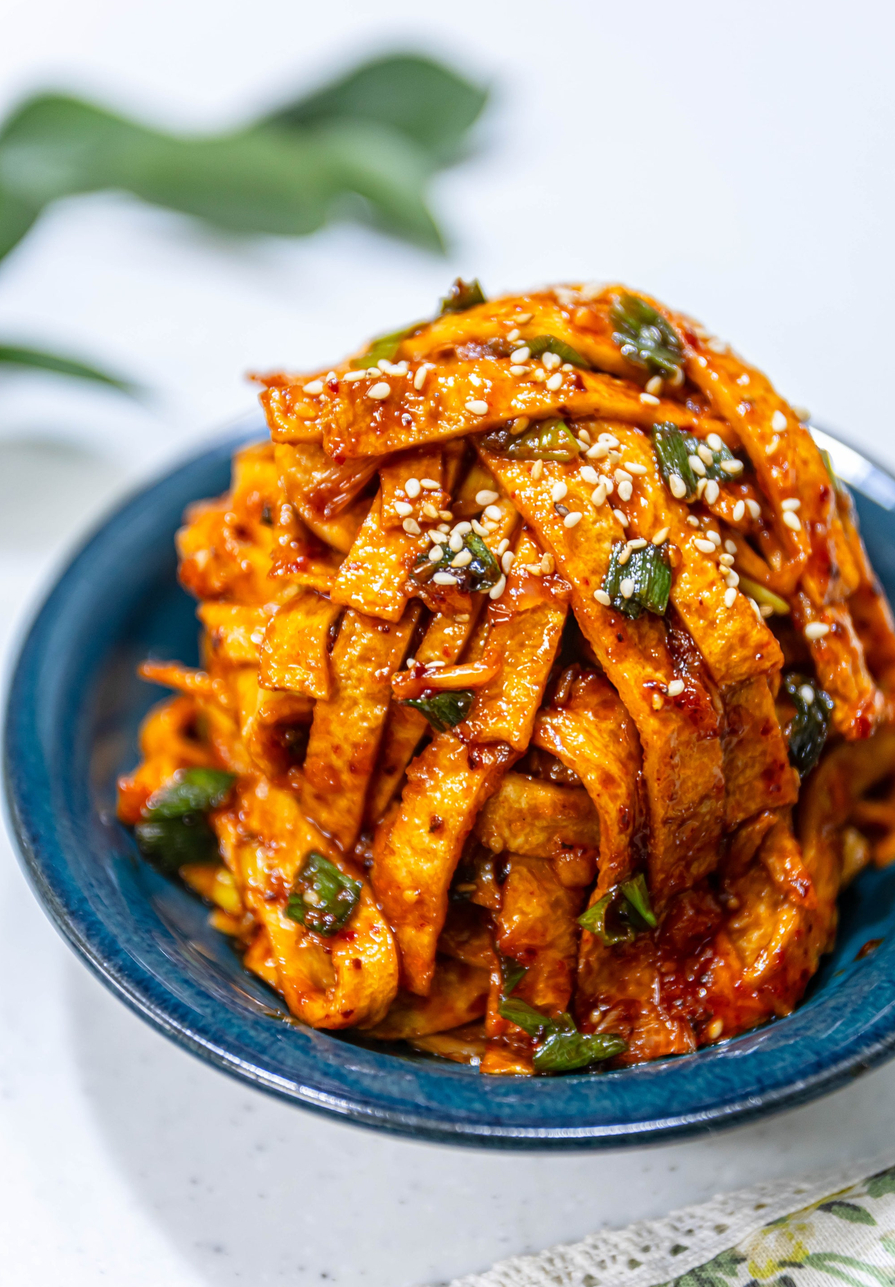
    Eomuk Bokkeum is a popular Korean side dish made with fish cake, onion, carrot, and a sweet-savory spicy sauce.

    It is quick, simple, and perfect for everyday Korean meals. This Korean stir-fried fish cake is slightly chewy, mildly spicy, savory, and lightly sweet. It tastes great with steamed rice and also works well in lunch boxes.

    This recipe uses square Korean fish cake sheets, also called eomuk or odeng, and stir-fries them with soy sauce, oyster sauce, gochugaru, garlic, sesame oil, and oligosaccharide syrup.


    What is Eomuk Bokkeum?

    Eomuk Bokkeum means Korean stir-fried fish cake.

    The word “eomuk” means fish cake, and “bokkeum” means stir-fried dish.

    Eomuk Bokkeum is one of the most common Korean banchan, or side dishes. It is served at home, in Korean restaurants, lunch boxes, and school meals.

    There are many versions of this dish. Some are mild and soy sauce-based, while others are spicy with gochugaru or gochujang. This version is a mildly spicy and savory style with oyster sauce for extra depth.


    Recipe Information

    Prep Time: 5 minutes

    Cook Time: 10 minutes

    Total Time: 15 minutes

    Servings: 3

    Difficulty: Easy

    Cuisine: Korean

    Main Ingredient: Korean fish cake

    Best Served As: Korean side dish


    Ingredients

    Main Ingredients

    3 sheets square Korean fish cake

    1/2 onion

    A small amount of carrot

    Cooking oil, as needed

    Sesame seeds, to taste

    Sauce Ingredients

    1 tbsp gochugaru

    1 tbsp soy sauce

    1 tsp sesame oil

    1 tbsp oyster sauce

    1.5 tbsp oligosaccharide syrup or corn syrup

    1 tsp minced garlic


    Ingredient Notes

    Korean Fish Cake

    Korean fish cake is called eomuk.

    Square fish cake sheets are commonly used for stir-fried fish cake because they are easy to slice and cook quickly.

    For a cleaner taste, briefly blanch the fish cake in hot water or pour boiling water over it before slicing.


    Onion

    Onion adds natural sweetness and freshness.

    Slice it thinly so it cooks quickly and blends well with the fish cake.


    Carrot

    Carrot adds color, texture, and a little sweetness.

    You only need a small amount.


    Gochugaru

    Gochugaru adds mild heat and red color.

    Use Korean red pepper flakes for the best flavor.


    Oyster Sauce

    Oyster sauce gives the dish a deeper savory flavor.

    It makes the sauce richer and helps the fish cake taste more satisfying.


    Oligosaccharide Syrup

    Oligosaccharide syrup adds sweetness and a glossy finish.

    You can replace it with corn syrup or Korean cooking syrup.


    Sesame Oil

    Sesame oil adds nutty aroma.

    Add it as part of the sauce or near the end for better fragrance.


    How to Make Eomuk Bokkeum

    Step 1: Make the Sauce

    In a small bowl, combine:

    • 1 tbsp gochugaru
    • 1 tbsp soy sauce
    • 1 tsp sesame oil
    • 1 tbsp oyster sauce
    • 1.5 tbsp oligosaccharide syrup
    • 1 tsp minced garlic

    Mix well and set aside.


    Step 2: Prepare the Fish Cake

    Briefly blanch the fish cake sheets in boiling water, or pour hot water over them.

    This helps remove excess oil and impurities.

    Drain well.

    Slice the fish cake into bite-sized strips.


    Step 3: Prepare the Vegetables

    Slice the onion thinly.

    Julienne or thinly slice the carrot.

    Set the vegetables aside.


    Step 4: Stir-Fry the Fish Cake

    Heat a pan over medium heat.

    Add a small amount of cooking oil.

    Add the sliced fish cake and stir-fry briefly.


    Step 5: Add Onion and Carrot

    Add the sliced onion and carrot to the pan.

    Stir-fry until the vegetables begin to soften.

    The onion should become slightly translucent, but still have some texture.


    Step 6: Add the Sauce

    Add the prepared spicy sauce to the pan.

    Stir-fry everything together until the fish cake and vegetables are evenly coated.

    Cook for a few more minutes until the sauce becomes glossy and slightly thick.


    Step 7: Finish with Sesame Seeds

    Turn off the heat.

    Sprinkle sesame seeds over the stir-fried fish cake.

    Mix gently once more.


    Step 8: Serve

    Transfer the Eomuk Bokkeum to a serving plate.

    Serve warm, at room temperature, or chilled.

    It tastes great with steamed white rice.


    Pro Tips

    Blanch the Fish Cake First

    Blanching or rinsing fish cake with hot water removes excess oil and gives the dish a cleaner flavor.

    This step is optional, but recommended.


    Make the Sauce Before Cooking

    Fish cake cooks quickly.

    Having the sauce ready before stir-frying prevents overcooking and makes the process easier.


    Do Not Overcook the Vegetables

    Onion and carrot should be slightly tender but not mushy.

    A little texture makes the dish more enjoyable.


    Adjust the Spice Level

    For a milder version, reduce the gochugaru.

    For a spicier version, add more gochugaru or sliced Cheongyang chili pepper.


    Add Sesame Seeds at the End

    Sesame seeds add a nutty finish and make the dish look better.

    Add them after turning off the heat.


    What to Serve with Eomuk Bokkeum

    Eomuk Bokkeum pairs well with:

    • Steamed white rice
    • Kimchi
    • Gyeran Jjim
    • Miyeokguk
    • Kongnamul Guk
    • Doenjang Jjigae
    • Bulgogi
    • Jeyuk Bokkeum
    • Gamja Jorim
    • Musaengchae
    • Korean lunch boxes

    It is especially good as a simple side dish for everyday meals.


    Storage Tips

    Store leftover Eomuk Bokkeum in an airtight container in the refrigerator.

    It is best eaten within 2 to 3 days.

    You can eat it cold, at room temperature, or lightly reheated.

    To reheat, warm it in a pan over low heat or microwave briefly.

    If it becomes dry after refrigeration, add a tiny splash of water while reheating.

    Freezing is not recommended because the texture of fish cake may change after thawing.


    Frequently Asked Questions

    Can I make Eomuk Bokkeum without oyster sauce?

    Yes.

    You can skip oyster sauce and add a little more soy sauce, but the flavor will be lighter.

    Oyster sauce adds extra savory depth.


    Is Eomuk Bokkeum spicy?

    This version is mildly spicy because it uses gochugaru.

    You can reduce the gochugaru for a milder version.


    Can I make a non-spicy version?

    Yes.

    Skip the gochugaru and use soy sauce, oyster sauce, garlic, syrup, and sesame oil.

    This will create a mild soy sauce fish cake stir-fry.


    Do I have to blanch the fish cake?

    No, but it is recommended.

    Blanching helps remove excess oil and gives the dish a cleaner taste.


    Can I add more vegetables?

    Yes.

    Bell pepper, green onion, cabbage, or chili peppers can be added.

    Just avoid adding too many watery vegetables, or the sauce may become diluted.


    Can I pack this in a lunch box?

    Yes.

    Eomuk Bokkeum is a popular Korean lunch box side dish.

    It tastes good even at room temperature.


    Final Thoughts

    Eomuk Bokkeum is a quick and reliable Korean side dish that is easy to make with simple ingredients.

    With fish cake, onion, carrot, soy sauce, oyster sauce, gochugaru, garlic, syrup, sesame oil, and sesame seeds, you can make a flavorful Korean banchan in just 15 minutes.

    The key is to prepare the sauce first, briefly stir-fry the fish cake and vegetables, then coat everything with the sweet and savory spicy sauce.

    If you want an easy Korean side dish that goes well with rice and works perfectly for everyday meals, this Eomuk Bokkeum recipe is a perfect choice.