NEW

  • Authentic Dakbokkeumtang Recipe (Korean Spicy Braised Chicken)

    Authentic Dakbokkeumtang Recipe (Korean Spicy Braised Chicken)

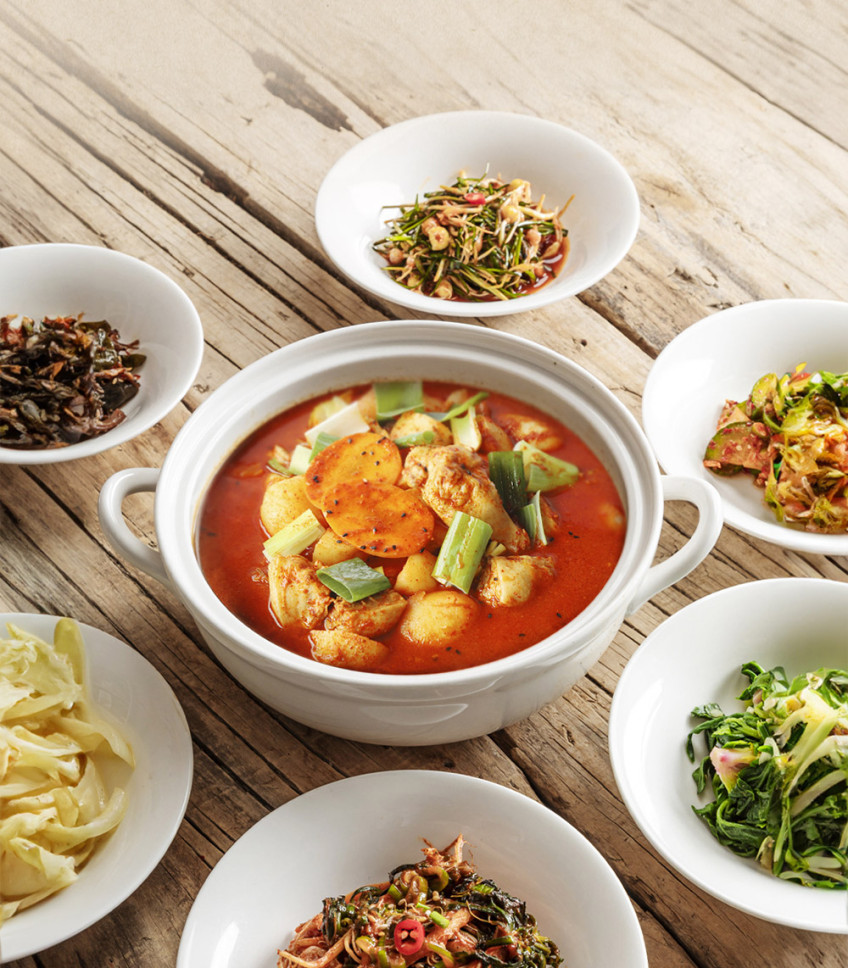
    Easy Korean Braised Chicken Stew with Potatoes

    Dakbokkeumtang, also known as Korean Spicy Braised Chicken, is one of Korea’s most beloved comfort foods.

    Tender chicken is simmered in a rich, spicy sauce with potatoes, carrots, onions, and vegetables, creating a hearty meal that pairs perfectly with steamed rice.

    This authentic recipe uses a restaurant-style sauce that delivers deep flavor without requiring complicated ingredients.


    What is Dakbokkeumtang?

    Dakbokkeumtang (닭볶음탕) is a traditional Korean braised chicken dish cooked in a spicy red pepper sauce.

    It combines:

    • Chicken
    • Potatoes
    • Carrots
    • Onions
    • Korean chili paste

    into a flavorful stew that is both spicy and savory.

    Many Korean families prepare Dakbokkeumtang for special gatherings, family dinners, and weekend meals.


    Ingredients

    Main Ingredients

    • 1 whole chicken (about 800g)
    • 3 potatoes
    • 1/2 carrot
    • 1 to 1.5 onions
    • 3 chili peppers
    • 1 green onion
    • 5 cloves garlic
    • 200ml milk
    • Glass noodles (optional)

    Broth Ingredients

    • Dried anchovies
    • Kelp
    • Dried shiitake mushrooms

    Sauce Ingredients

    • 9 tbsp soy sauce
    • 4 tbsp Korean chili paste (Gochujang)
    • 2 tbsp Korean chili flakes (Gochugaru)
    • 6 tbsp corn syrup or cooking syrup
    • 1/2 blended onion
    • 1 tbsp cooking wine
    • 1 tbsp fish sauce
    • 400–600ml broth
    • Black pepper
    • Sesame oil

    Kitchen Equipment

    • Large pot
    • Mixing bowl
    • Cutting board
    • Knife

    How to Make Dakbokkeumtang

    Step 1: Prepare the Chicken

    Clean the chicken thoroughly.

    Remove excess fat between the skin and meat for a cleaner taste.


    Step 2: Remove Chicken Odor

    Place the chicken in milk for about 30 minutes.

    This simple trick helps remove unwanted odors and makes the meat taste cleaner.

    Pro Tip

    Many people briefly boil the chicken and discard the water.

    However, this recipe found that soaking in milk alone preserves more flavor and creates a richer broth.


    Step 3: Make the Sauce

    In a bowl, combine:

    • Soy sauce
    • Gochujang
    • Gochugaru
    • Blended onion
    • Garlic
    • Cooking syrup
    • Cooking wine
    • Fish sauce
    • Black pepper

    Mix well until smooth.

    This sauce closely resembles the flavor used in many popular Korean restaurants.


    Step 4: Prepare the Broth

    Bring anchovies, kelp, and shiitake mushrooms to a boil.

    If unavailable, water can be used instead.

    For deeper flavor, broth is highly recommended.


    Step 5: Start Cooking

    Place chicken into a large pot.

    Add:

    • Prepared sauce
    • 600ml broth

    Bring to a boil.

    Note

    Use:

    • 400ml broth without noodles
    • 600ml broth with noodles

    Step 6: Add Potatoes

    Cut potatoes into large chunks.

    Round off sharp corners slightly to prevent them from breaking apart during cooking.

    Add potatoes to the pot.

    Cover and simmer over medium heat for approximately 30 minutes.


    Step 7: Add Remaining Vegetables

    Slice:

    • Onion
    • Green onion
    • Carrot
    • Chili peppers

    Add them to the pot.

    Continue simmering until the vegetables become tender.


    Step 8: Add Glass Noodles

    Soak glass noodles beforehand.

    Add them during the final stage of cooking.

    If short on time, boil them separately before adding.

    Glass noodles are optional but highly recommended.


    Step 9: Final Touch

    Add:

    • A few drops of sesame oil
    • Freshly ground black pepper

    Serve immediately.


    Expert Tips for Better Dakbokkeumtang

    Use Fish Sauce

    Adding fish sauce creates deeper umami flavor.

    If you prefer lighter seasoning:

    • Reduce soy sauce slightly
    • Increase fish sauce

    Don’t Skip the Potatoes

    Potatoes absorb the spicy sauce beautifully and are considered one of the highlights of the dish.


    Milk Soak Method

    Milk soaking removes odor without sacrificing flavor, unlike pre-boiling the chicken.


    What to Serve with Dakbokkeumtang

    This dish pairs perfectly with:

    • Steamed white rice
    • Kimchi
    • Korean egg rolls
    • Pickled radish

    Frequently Asked Questions

    Is Dakbokkeumtang very spicy?

    It can be adjusted by reducing the amount of Korean chili flakes.


    Can I use chicken thighs only?

    Yes. Boneless chicken thighs work well and remain juicy.


    Can I make it without fish sauce?

    Yes, but fish sauce adds extra depth and authentic Korean flavor.


    Final Thoughts

    Dakbokkeumtang is one of the most satisfying Korean comfort foods.

    The combination of tender chicken, potatoes, vegetables, and spicy sauce creates a meal that is both comforting and unforgettable.

    Whether you’re new to Korean cooking or already a fan of Korean cuisine, this recipe is a must-try.
  • Easy Korean Soft Tofu Stew (Sundubu Jjigae) Recipe

    Easy Korean Soft Tofu Stew (Sundubu Jjigae) Recipe

    Authentic Korean Comfort Food in Just 20 Minutes

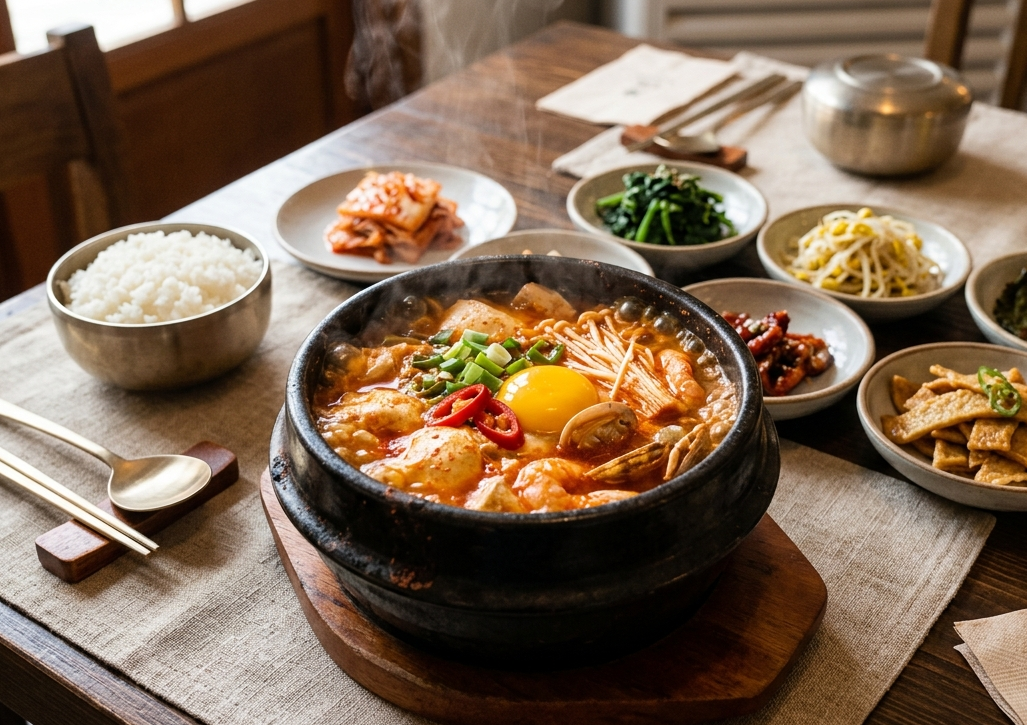
    If you’re looking for a spicy, comforting Korean soup that is easy to make at home, Sundubu Jjigae (Korean Soft Tofu Stew) is one of the best dishes to start with.

    This classic Korean stew combines silky soft tofu, vegetables, rich anchovy broth, and a spicy chili oil base to create a deeply satisfying meal.
    The best part? You don’t need clams or pork to make it delicious.


    What is Sundubu Jjigae?

    Sundubu Jjigae is a traditional Korean stew made with uncurdled soft tofu called sundubu.
    It is known for its silky texture, spicy broth, and comforting flavor.

    In Korea, it is often served bubbling hot in a stone pot alongside steamed rice and various side dishes.


    Ingredients

    Main Ingredients

    • 1 package soft tofu (Sundubu)
    • 1/4 green onion
    • 1/4 onion
    • 1/4 zucchini
    • 1 Korean green chili pepper (Cheongyang pepper)
    • 1 egg

    Seasonings

    • 1 tbsp sesame oil
    • 2 tbsp cooking oil
    • 1½ tbsp Korean red pepper flakes (Gochugaru)
    • ½ tbsp salt
    • 1 pinch sugar
    • 1 tbsp oyster sauce
    • 1 tbsp soy sauce
    • 1 tbsp minced garlic

    Broth

    • 2 cups anchovy broth

    Kitchen Tools

    • Korean stone pot (ttukbaegi) or small pot
    • Cutting board
    • Cooking chopsticks
    • Spoon

    How to Make Sundubu Jjigae

    Step 1: Make the Broth

    Prepare anchovy broth by simmering dried anchovies in water.

    For extra flavor, add:

    • Dried kelp
    • Shiitake mushrooms

    If you don’t have them, anchovies alone will work perfectly.


    Step 2: Prepare the Vegetables

    Finely chop:

    • Green onion
    • Onion

    Slice:

    • Zucchini into half-moons
    • Green chili pepper diagonally

    Step 3: Create the Flavor Base

    Heat a Korean stone pot or small saucepan.

    Add:

    • 1 tbsp sesame oil
    • 2 tbsp cooking oil

    Add onions and green onions and sauté until fragrant.


    Step 4: Make Korean Chili Oil

    Add:

    • 1½ tbsp Korean red pepper flakes

    Stir continuously for about 30 seconds.

    This creates the rich red chili oil that gives Sundubu Jjigae its signature flavor.

    Tip: Use only 1 tablespoon if you prefer a milder stew.


    Step 5: Season the Stew

    Add:

    • Salt
    • Sugar
    • Oyster sauce
    • Soy sauce

    Mix thoroughly.


    Step 6: Add the Broth

    Pour in anchovy broth until the pot is about halfway full.

    Do not overfill because the tofu will increase the volume of the stew.

    Bring to a boil.


    Step 7: Add Vegetables

    Once boiling, add:

    • Zucchini
    • Green chili pepper
    • Minced garlic

    Simmer for 2–3 minutes.


    Step 8: Add Soft Tofu

    Carefully add the soft tofu.

    Break it into large chunks using a spoon.

    Simmer for another 3–4 minutes.


    Step 9: Finish with Egg

    Crack one egg directly into the center of the stew.

    Top with extra green onions.

    Cook until the egg reaches your preferred doneness.

    Serve immediately.


    Pro Tips for the Best Sundubu Jjigae

    If you don’t have:

    • Clams
    • Pork
    • Seafood

    You can still create a rich and satisfying flavor by using:

    ✔ Oyster sauce

    ✔ Anchovy broth

    ✔ Proper seasoning balance

    These three elements make a huge difference in the final taste.


    What to Serve with Sundubu Jjigae

    Sundubu Jjigae pairs perfectly with:

    • Steamed white rice
    • Kimchi
    • Korean rolled omelet (Gyeran Mari)
    • Korean spinach side dish (Sigeumchi Namul)

    Frequently Asked Questions

    Can I make Sundubu Jjigae without seafood?

    Yes. This recipe uses anchovy broth and oyster sauce to create depth without clams or shrimp.

    Is Sundubu Jjigae very spicy?

    It can be adjusted easily. Reduce the amount of Korean red pepper flakes for a milder version.

    What tofu should I use?

    Use Korean soft tofu (Sundubu). Silken tofu can be used as a substitute.


    Final Thoughts

    This easy Sundubu Jjigae recipe delivers authentic Korean flavors using simple ingredients you can find almost anywhere.

    Whether you’re new to Korean cooking or already love Korean food, this spicy soft tofu stew is one of the most comforting dishes you can make at home.

    Try it once, and it may become your favorite Korean comfort food.